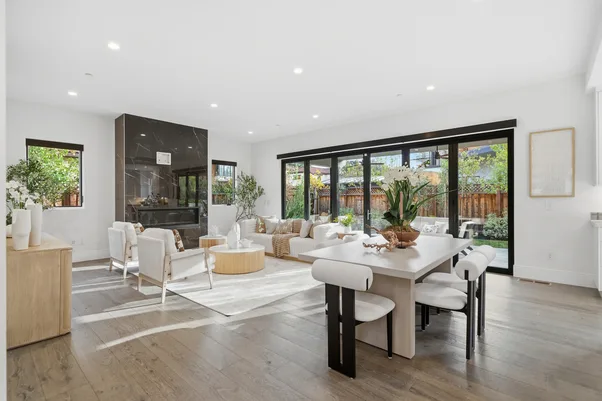
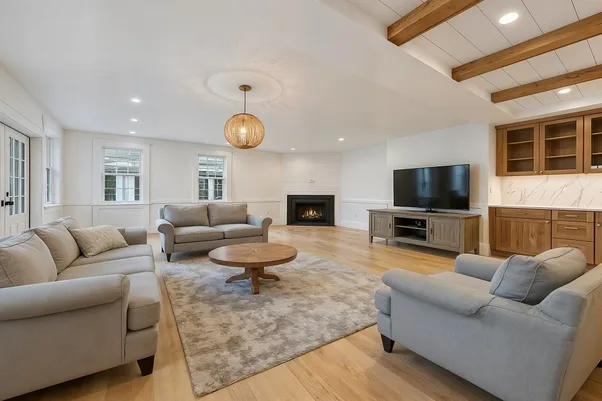
Virtual Staging vs Physical Staging: What Agents Actually Get for the Money
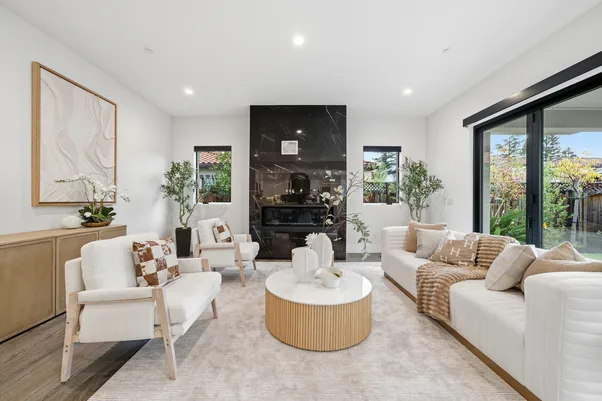
Virtual staging is the better choice for most vacant listings that need to look furnished online, because it costs a small fraction of rented furniture and is ready the same day. Physical staging still earns its fee on homes where in-person showings close the deal. With AI virtual staging built into the same editing run as your HDR photos, you can stage only the rooms that matter and keep the rest of the budget.
That's the short answer. The longer one depends on the house and how buyers in that market actually shop.
What is the difference between virtual staging and physical staging?
Physical staging means renting real furniture, decor and art, having it delivered and arranged, and paying for it every month until the home sells. Virtual staging adds furniture and decor to photos of an empty room, so the listing looks furnished online while the house itself stays empty.
Both have the same job. They help a buyer picture living in the space.
That job matters more than many sellers expect. In the National Association of Realtors' 2025 Profile of Home Staging, 83% of buyers' agents said staging made it easier for buyers to visualize a property as their future home. The survey doesn't separate virtual from physical staging on that question, but the point stands for both: an empty room asks the buyer to do the imagining, and most won't.
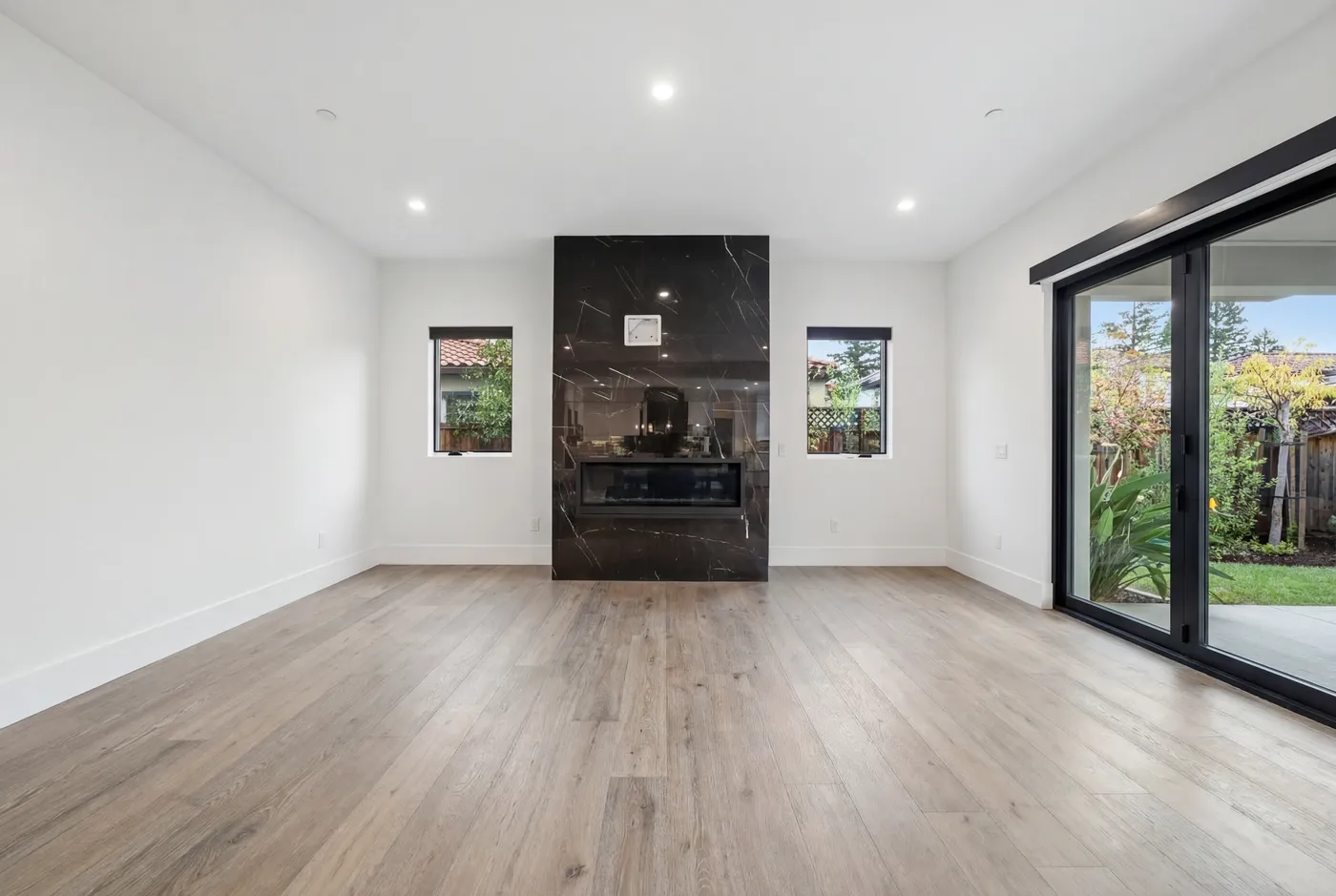
The empty room before staging.
How much does physical staging cost compared with virtual staging?
Physical staging usually runs into four figures per listing, and the bill keeps going while the home sits on the market. NAR's 2025 report put the median spend at $1,500 when sellers used a staging service. Bankrate reports that furniture rental for an empty home can run $500 to $600 per room, per month.
Virtual staging is priced per image, not per month. Once a room is staged, the photo doesn't cost more because the listing took an extra six weeks to sell.
Here's how the two compare on the points that matter most:
| Physical staging | Virtual staging | |
|---|---|---|
| Typical cost | Four figures per listing, plus monthly rental | Priced per photo, no monthly fee |
| Time to ready | Days to schedule delivery and setup | Same day, inside the editing run |
| Ongoing cost if the home sits | Rental continues every month | None |
| Helps in-person showings | Yes | No, the rooms are still empty on site |
| Style changes | New furniture, new delivery | Re-stage the photo in a different style |
| Disclosure needed | No | Yes, label staged photos per your MLS rules |
The cost gap is real. But cost on its own isn't the right test.
When is physical staging still worth it?
Physical staging is worth paying for when the in-person walkthrough is what sells the home. That's usually higher-end listings, homes in markets that lean on open houses, and properties where the furniture itself proves a point (a narrow living room that really does fit a sectional, for example).
Buyers who fall for a staged photo and then walk into a bare room can feel let down. If the showing is the moment the deal gets made, real furniture removes that gap.
It also helps with rooms that photograph poorly empty but feel fine in person once there's a rug and a sofa. Echo and awkward corners read very differently once something is in them.
When does virtual staging make more sense?
Virtual staging makes more sense when the listing is won or lost online, which is most of them. If buyers decide which homes to tour from the photos, the photos are where the staging budget belongs.
It's the obvious fit for:
- vacant homes where the seller has already moved out
- new builds and investor flips with no furniture at all
- tight timelines where there's no week to wait for a stager
- listings in a price band where four figures of rental would eat a real share of the commission
- rooms that need a clear purpose, like a spare room that could be an office or a nursery
A question we hear a lot from photographers is whether they should stage every room. Usually not. NAR's report found buyers' agents rated the living room as the most important room to stage (37%), followed by the primary bedroom (34%) and the kitchen (23%). Stage the rooms buyers care about, leave the rest honest, and you'll get most of the benefit for a fraction of the cost. We go into more detail in how many rooms you should actually stage.
Does virtual staging work as well as real furniture?
For the online part of the sale, a well-made virtually staged photo does the same job as a photo of a physically staged room. The buyer sees a furnished space and understands what each room is for.
Where virtual staging falls short is consistency between the photo and the visit. That's why the quality of the staging matters so much. Furniture that's the wrong scale, floats above the floor or blocks a window that buyers will see in person creates distrust instead of interest.
Scale is the first thing to check. A king bed in a room that can only fit a queen misleads the buyer. Light comes next: shadows on the furniture should follow the windows in the photo. And the base photo has to be right, because staging on top of a dark, crooked or color-cast image looks pasted in, however good the furniture is.
That last point is why we run virtual staging after the HDR edit, not before. The room gets its exposure and verticals fixed first, then the furniture is added to a photo that already looks right.
Do you have to disclose virtual staging?
Yes. Treat disclosure as non-negotiable. Many MLSs require virtually staged photos to be labeled, and many agents include the unstaged version alongside it so buyers know exactly what they're walking into. The rules differ between MLSs and states, so check yours before the listing goes live. Our post on new AI staging disclosure rules covers where those rules are heading.
Disclosure also protects the agent's reputation. Nothing about a staged photo should change the permanent features of the home: walls, flooring, windows, fixtures and views stay as they are.
Can you use both on the same listing?
You can, and it often works well. A common split is physical staging in the main living area, where showings spend the most time, with virtual staging for secondary bedrooms or a basement that would otherwise cost another month of rental for rooms buyers barely linger in.
Another option is to physically stage nothing, virtually stage the key rooms for the online listing, and leave a printed sheet of the staged photos in each room at the showing. Buyers get the picture without the rental bill.
How AutoHDR handles virtual staging
Virtual staging in AutoHDR sits alongside the core edit. You upload your brackets through the browser or let them come in automatically from Aryeo, Spiro, Tonomo, HD PhotoHub or Dropbox, the photos are merged and corrected, and the rooms you choose are staged from the edited result. It's one workflow, so you aren't exporting files to a second tool and waiting on a separate delivery.
If you're comparing tools, our roundup of AI virtual staging software covers what to check before you commit.
Stage the rooms that sell the house
If your next empty listing needs furnished rooms online, run it through AutoHDR and use virtual staging on the rooms buyers care about, in the same edit. See the plans on our pricing page.
FAQs
Is virtual staging cheaper than physical staging?
Yes, by a wide margin on most listings. Physical staging is usually four figures plus monthly rental, while virtual staging is charged per photo with no ongoing fee.
Is virtual staging allowed on the MLS?
Generally yes, as long as the photos are clearly labeled as virtually staged and don't change permanent features of the home. Check your own MLS rules, because the wording and requirements vary.
Which rooms should be virtually staged?
Start with the living room, primary bedroom and kitchen, since buyers' agents rate those as the most important to stage. Empty secondary rooms can be staged too if their purpose isn't obvious.
Does virtual staging help homes sell faster?
Staging in general helps buyers picture the home, and NAR's 2025 report found many sellers' agents saw a shorter time on market with staged homes. Results depend on the listing, the price and the market.
Can a virtually staged room look fake?
It can if the furniture is the wrong scale or the base photo is poorly edited. Staging a properly exposed, color-corrected photo is what keeps the result believable.