8 Best AI Virtual Staging Software for Real Estate in 2026
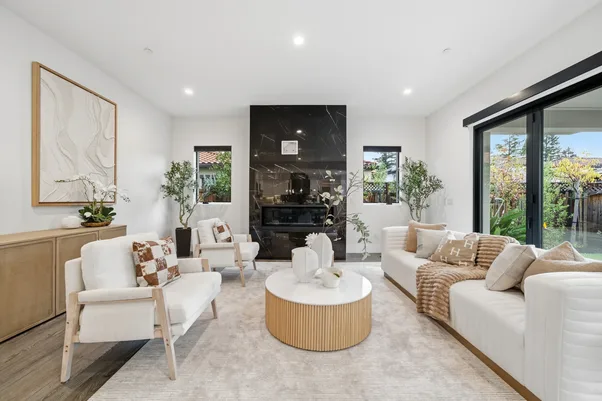
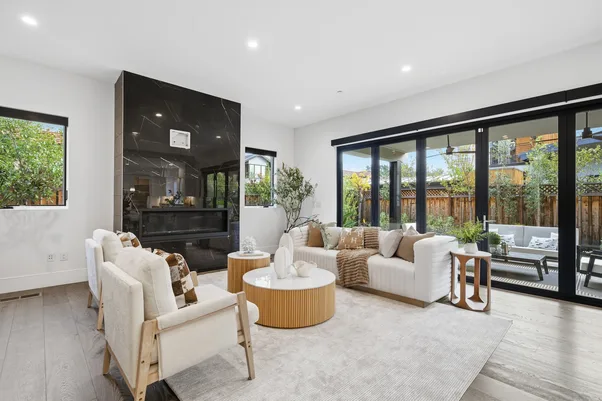
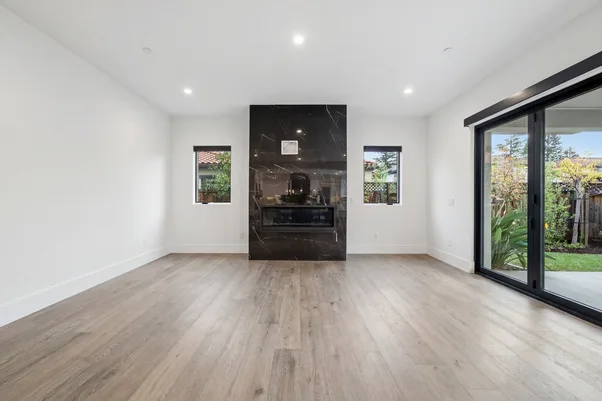
Empty rooms are a listing liability. Buyers struggle to scale furniture mentally, agents watch engagement drop on vacant properties, and sellers lose money on listings that sit longer than they should, not because of the price but because of how the photos feel.
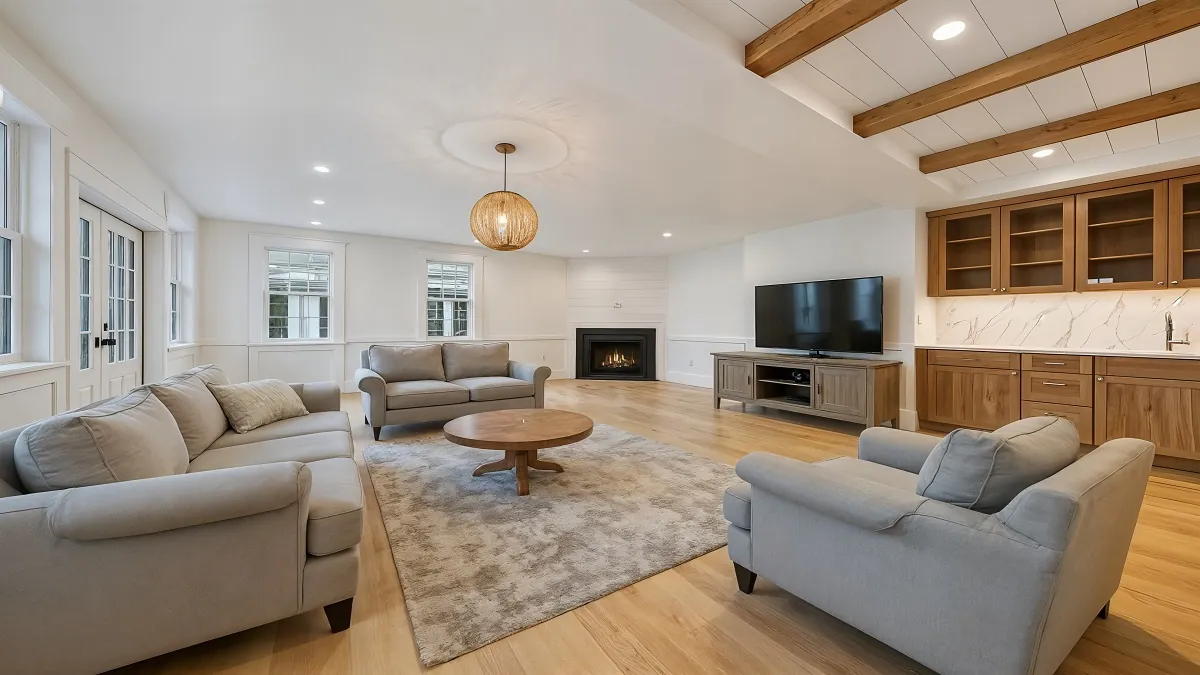
AI virtual staging changed the math on that problem. What used to require a physical staging company, a two-day setup window, and a four-figure invoice now takes minutes and costs a fraction of the price. The results have improved to the point where buyers regularly can't tell the difference between AI virtual staging and the real thing.
The software options have expanded just as fast. Here's a straightforward breakdown of the eight best AI virtual staging software tools for real estate photographers and agents in 2026, what each one does well, where it falls short, and who it's best suited for.
1. AutoHDR
Best for: real estate photographers who want virtual staging built into their editing workflow, not bolted on afterward.
AutoHDR is the only AI virtual staging software on this list that packages virtual staging as part of a complete editing pipeline. Instead of uploading photos to a separate virtual staging platform after the core edit is done, AutoHDR handles HDR merging, window masking, white balance correction, perspective correction, and virtual staging in a single workflow, with delivery through integrations like HDPhotoHub, Aryeo, Spiro, and Tonomo.
The practical difference is speed and consistency. The staging is applied to a fully edited base image, which means the lighting, color temperature, and ambient conditions of the staged furniture match the room environment rather than sitting on top of a poorly edited base. Multiple style options are available - modern, transitional, Scandinavian, and others - with the ability to select by room type.
For photographers doing volume, the elimination of a separate upload-and-wait step for virtual staging is where the time savings are most significant. Pricing starts as low as $0.44 per photo on the larger monthly plans, with virtual staging available as an add-on.
2. BoxBrownie
Best for: photographers and agents who want a full-service editing and staging vendor with human quality control.
BoxBrownie has been one of the most recognized names in real estate photo editing and virtual home staging for years. Its AI virtual staging software is backed by human review, which means the results are consistent and errors are caught before delivery. Style libraries are extensive, turnaround is reliable, and the platform handles a wide range of property types.
The tradeoff is price and speed relative to fully automated tools. BoxBrownie sits at a higher price point than pure AI platforms, and turnaround, while reliable, doesn't match the minutes-level speed of fully automated workflows.
3. Virtual Staging AI
Best for: quick turnaround on single images with minimal setup.
Virtual Staging AI is one of the more straightforward AI virtual staging tools available - upload a photo, select a style, and receive a staged image. The interface is minimal, the results are fast, and the price per image is competitive for low-volume use.
The limitations show at scale. There's no workflow integration with real estate scheduling platforms, which means every image requires a manual upload. For photographers doing a handful of staging requests per month, that's manageable. For anyone doing consistent volume, the manual process becomes a bottleneck.
4. Styldod
Best for: agents and photographers looking for a broad menu of virtual real estate services alongside AI virtual staging.
Styldod offers virtual home staging alongside a range of other real estate editing services - day-to-dusk conversions, item removal, floor plans, and 3D rendering. The virtual staging quality is strong, and the style options are varied enough to suit most residential property types. For photographers specifically, the lack of automation integration means it functions more as a service provider than a workflow tool.
5. Stuccco
Best for: on-demand AI virtual staging with a fast, designer-assisted model.
Stuccco positions itself at the intersection of AI speed and designer oversight. Its virtual staging software uses AI to generate the initial staged image, with a designer reviewing and refining the result before delivery. Turnaround is typically under 24 hours for standard orders - a useful middle position between fully automated tools and full-service vendors.
6. roOomy
Best for: enterprise-level virtual home staging with 3D asset integration.
roOomy is built for scale - large brokerages, national builders, and real estate platforms that need consistent virtual staging across high volumes of listings. For individual photographers or small agencies, roOomy is likely more infrastructure than necessary.
7. Apply Design
Best for: photographers who want simple, affordable AI virtual staging with no subscription commitment.
Apply Design operates on a pay-per-image model with no monthly minimums. The results are solid for standard residential rooms, though complex architectural features and rooms with significant natural light variation can challenge the output quality.
8. PadStyler
Best for: agents who want virtual staging with multiple style variations per room.
PadStyler differentiates on the number of style options available per staged image, generating multiple staging options for the same room rather than a single result. For listings where the agent has a clear sense of the buyer demographic, the multiple-option approach is genuinely useful, though it adds a selection step that slows the workflow slightly.
How to Choose the Right AI Virtual Staging Software
The right tool depends on what problem you're actually trying to solve. If virtual staging is an occasional add-on offered a few times a month, a pay-per-image platform with no subscription, like Apply Design or Virtual Staging AI, keeps costs proportional to use.
If you're doing consistent volume and want staging built into your editing workflow rather than managed separately, AutoHDR is the only AI virtual staging software on this list that eliminates the separate upload step entirely. The core edit and the staging come back together, delivered through the platforms agents already use.
The best AI virtual staging is the one that makes it to the delivery page on every shoot without adding a separate step to get it there. For most photographers doing volume, that's the real decision criteria.
Try it on your own listings
AutoHDR is the AI editing platform built for real estate photographers and agents who need a full listing package - HDR photo editing, virtual staging, twilight conversion, item removal, and grass replacement - delivered from one workflow instead of several disconnected tools. New accounts get up to a month of free credits. Upload a set of listing photos or book a demo at autohdr.com to see the turnaround on your own shoots.
FAQs
Does AI virtual staging need to be disclosed on a listing?
In a growing number of states, yes. Rules vary by market, so check local MLS and disclosure requirements before publishing staged photos, and keep the original unstaged image on file.
Can AI virtual staging be applied to an occupied home?
It works best on empty or mostly empty rooms. Staging over existing furniture is possible with some platforms but tends to produce a less convincing result than starting from a clean, decluttered base.