The 'Shoot and Submit' Photographer: How Real Estate Photography Apps Are Collapsing the Gap Between Capture and Delivery

The "Shoot and Submit" Photographer: How Real Estate Photography Apps Are Collapsing the Gap Between Capture and Delivery
Real estate photographers used to plan entire shooting schedules around sunlight. If the weather looked bad or the timing was wrong, the whole day could fall apart. A sunset shot was treated like a luxury add-on that required perfect timing, extra travel, and another round of editing later that night.
That is starting to change.
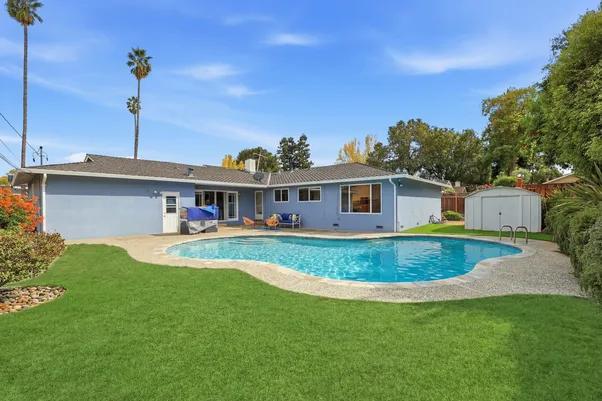
Many photographers now shoot properties during the day and turn those images into clean twilight-style photos later using day to dusk photo editing. What used to take extra hours on-site can now happen after the shoot without slowing down delivery.
This shift matters because speed has become part of the service. Agents no longer want to wait days for edited galleries. They want photos uploaded fast, listings live quickly, and marketing ready before another property hits the market.
We are also seeing photographers move toward a simpler workflow. Instead of spending more time driving back for sunset shots, they are focusing on capturing the property once and letting editing handle the rest. That is where day to dusk photo editing has become more than just a visual effect. It has become a workflow tool.
Why Twilight Photos Still Get Attention
There is a reason twilight images continue to perform well in real estate marketing.
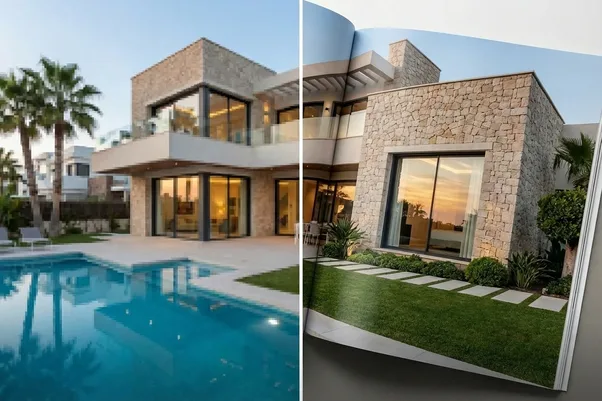
Warm interior lights, darker skies, and glowing windows create contrast that daytime photos usually cannot match. These images feel calmer and more polished. They also help listings stand out while buyers scroll through dozens of homes online.
But traditional twilight photography has always been difficult.
Photographers had a very small shooting window. If the sky changed too quickly or exterior lights were not ready, the shot was gone. Some photographers even had to revisit the property a second time just to capture a few dusk photos.
With day to dusk photo editing, that pressure disappears. A properly exposed daytime image can be transformed into a twilight scene without needing another appointment or another drive across town.
For photographers handling multiple listings every day, that time matters.
The Workflow Problem Most Photographers Know Too Well
A real estate shoot rarely ends when the camera goes back into the bag.
After the shoot comes culling, exporting, uploading, editing requests, client messages, revisions, and delivery. The editing stage is often the slowest part of the process.
Now add sunset scheduling into that mix.
Many photographers lose hours every week waiting for the right lighting conditions. Some block off evenings entirely for twilight shoots. Others avoid offering twilight photos because they simply do not have time.
This is why day to dusk photo editing is becoming part of standard delivery instead of a premium extra.
Photographers are realizing they can shoot during normal daylight hours, finish more properties per day, and still give agents the dramatic listing photos they want.
That creates a smoother business model.
Why Agents Care About Fast Delivery More Than Ever
Agents work on tight timelines. A delayed listing can mean fewer early views and weaker momentum during launch week.
Fast delivery has quietly become one of the biggest reasons photographers keep or lose clients.
An agent may love image quality, but if photos arrive too late, they start looking elsewhere. This is one reason automated editing platforms are growing quickly across the industry.
At AutoHDR, we built our system around this exact problem. Photographers should not have to choose between quality and speed. With automated workflows and AI-powered enhancements, photographers can deliver polished galleries much faster, including day to dusk photo editing without slowing down turnaround times.
For many teams, the goal is no longer “good editing.” The goal is reliable delivery every single time.
Day-to-Dusk Editing Works Best When It Looks Natural
One mistake many editors make is pushing twilight effects too far.
Overly orange windows, fake-looking skies, and heavy shadows can make a property feel artificial. Buyers notice that quickly. The best day to dusk photo editing feels believable. It should look like the home was photographed at the perfect moment, not heavily manipulated afterward.
Natural lighting balance matters more than dramatic effects.
That includes:
- Keeping indoor lighting warm but realistic.
- Matching shadows to the scene.
- Preserving detail in landscaping.
- Avoiding overly dark skies.
- Maintaining true property colors.
A clean twilight edit should guide attention toward the home itself, not the editing.
Why This Trend Will Keep Growing
The real estate photography industry is moving toward faster production cycles.
Photographers are handling more shoots per week. Agents expect same-day communication. Listing media now includes photos, reels, floor plans, drone content, and virtual tours all at once.
Something has to become more efficient.
That is why day to dusk photo editing is growing beyond luxury listings. It is becoming a practical solution for everyday real estate marketing. It helps photographers save travel time, avoid scheduling problems, and keep delivery timelines short without sacrificing presentation quality.
Whether you're a solo photographer trying to take on more work or part of a larger team building a scalable workflow, the result is the same: agents get their listing visuals faster
Final Thoughts
Real estate photography has changed from a slow production service into a fast-moving media business. Buyers scroll quickly, agents move quickly, and photographers are expected to keep up.
That is exactly why day to dusk photo editing has become such an important part of modern workflows.
It is no longer just about making homes look dramatic. It is about helping photographers shoot smarter, deliver faster, and stay competitive without adding extra hours to the job.
At AutoHDR, we believe editing should remove friction from the workflow, not create more of it. The photographers growing fastest right now are the ones building systems that save time while still delivering consistent quality.
And in many cases, that process starts with turning a daytime photo into the perfect twilight image.
FAQs
What is day to dusk photo editing?
Day to dusk photo editing is the process of transforming a daytime exterior property photo into a realistic twilight or sunset-style image. The edit typically includes sky replacement, enhanced window lighting, balanced shadows, and color adjustments to create the appearance of a professionally photographed dusk scene.
Why is day to dusk photo editing popular in real estate marketing?
Twilight-style images often attract more attention because they create warmth, contrast, and visual appeal. Day to dusk photo editing allows photographers and agents to achieve this look without scheduling a separate sunset shoot, helping listings stand out online while saving time.
Does day to dusk photo editing require a twilight photo to begin with?
No. Day to dusk photo editing is designed to work with properly exposed daytime exterior photos. A skilled editing process can convert a daytime image into a realistic twilight scene without requiring the photographer to revisit the property at sunset.
What makes a day to dusk photo look realistic?
A realistic day to dusk photo editing workflow focuses on natural-looking skies, balanced window illumination, accurate shadow placement, and consistent property colors. The goal is to create a believable twilight atmosphere rather than an overly dramatic or artificial effect.
Can day to dusk photo editing help photographers deliver listings faster?
Yes. Instead of scheduling separate twilight sessions, photographers can capture exterior images during normal daylight hours and use day to dusk photo editing during post-production. This reduces travel time, simplifies scheduling, and helps photographers deliver listing media more efficiently.