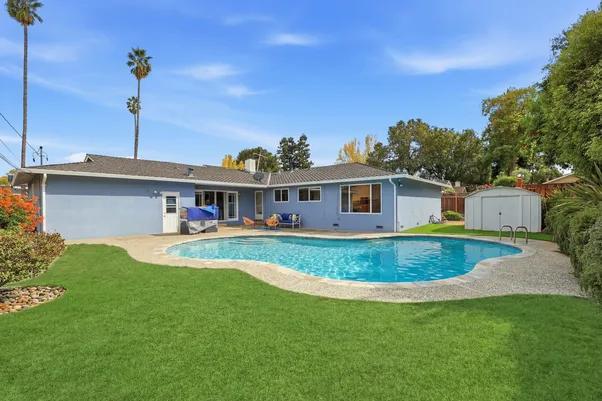
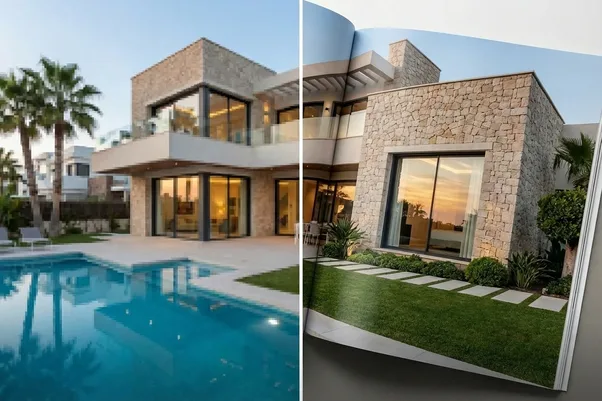
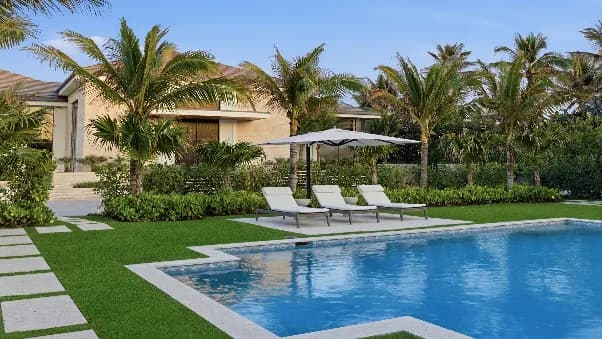
Real Estate Photo Editing for the Luxury Market: What $5M Listings Demand That $500K Homes Don’t
If you’ve ever photographed both a $500K starter home and a $5M luxury property, you know they tell very different stories. The spaces might both be beautiful, but the expectations behind each photo are miles apart.
Luxury buyers notice everything, reflections, shadow direction, window detail, even the temperature of the light. The difference between “great” and “perfect” isn’t dramatic color or wild edits. It’s subtle craftsmanship. That’s where real estate photo editing becomes more than technical cleanup, it becomes part of the storytelling.
At AutoHDR, we’ve learned that high-end listings require a different kind of attention. It’s not about doing more editing. It’s about doing it smarter, with precision and restraint.
Why Luxury Listings Feel Different
Luxury listings are not just about showing a space, they’re about showing emotion. Every detail in the photo says something about value, comfort, and quality.
Buyers scrolling through multi-million-dollar homes expect visual harmony. They notice how light interacts with surfaces, how shadows define shapes, and how the room “feels.” These cues tell the viewer whether the property feels warm and inviting or cold and distant.
That’s why real estate photo editing at this level focuses less on brightening everything and more on preserving depth. Luxury photos shouldn’t scream. They should whisper confidence.
1. Balanced Light, Not Blinding Light
For mid-range listings, bright and airy photos perform well. But in luxury properties, overexposure can actually cheapen the look.
High-end interiors are filled with layered materials, marble, stone, polished wood, metallic accents. These textures rely on balanced lighting to show their richness. When everything is pushed too bright, those details flatten out.
Professional editors, or advanced tools like AutoHDR’s system, treat exposure as a gradient, not a switch. The goal is to let light breathe naturally, keeping white walls bright but still textured. In real estate photo editing, this balance separates standard homes from luxury listings instantly.
2. Color Temperature Defines Mood
Color temperature is one of the quiet secrets of luxury editing.
A $500K home can look great with neutral tones and simple daylight balance. But a $5M home demands a mood. Cool whites make modern architecture feel crisp and gallery-like. Warm tones make traditional interiors feel rich and intimate.
Luxury photos are edited with tone consistency across every image. The whites match, the floors stay true to color, and the highlights carry the same temperature throughout. That’s where human artistry and intelligent automation meet, controlling warmth and coolness with precision.
3. Composition Tells a Story
Shooting and editing luxury homes require patience. Every angle should highlight craftsmanship, the curvature of a staircase, the symmetry of built-in shelves, the way light flows through glass.
Editors working on these photos often adjust verticals and perspective with greater care, making sure lines stay perfectly straight. Reflections are cleaned up, edges sharpened just enough to define the shape of the room.
That level of polish doesn’t mean over-editing. It means guiding the viewer’s eye intentionally. And that’s what professional real estate photo editing delivers, images that feel designed, not corrected.
4. Window Detail Matters More Than Ever
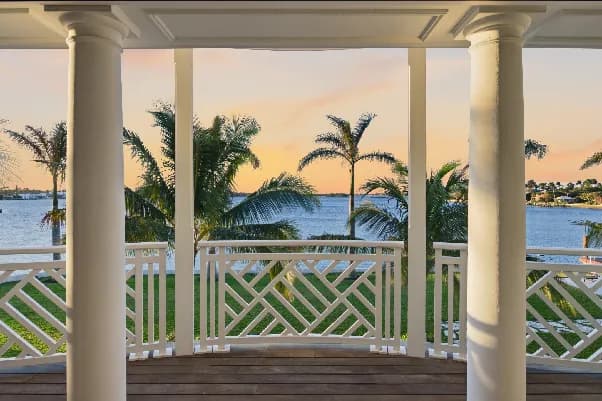
For high-end listings, windows aren’t just light sources, they’re features. City skylines, ocean views, mountain horizons, these are part of the selling point.
Losing window detail in bright light can cost a photo its most valuable storytelling element. Editors use masking techniques to merge exposures carefully, revealing both the interior and the view outside.
At AutoHDR, this is a cornerstone of the editing workflow. Clean window pulls don’t just look professional; they create a sense of transparency and calm that buyers subconsciously associate with luxury.
5. Consistency Is the Hidden Signature
If you’ve ever browsed a luxury listing gallery, you’ll notice every image feels connected. That’s not accidental. Consistency in tone, brightness, and contrast builds trust and brand identity.
When a buyer swipes through twenty photos and they all share the same warmth and mood, it creates a seamless viewing experience. That consistency signals attention to detail, something luxury buyers value deeply.
That’s why experienced photographers and editors treat real estate photo editing as a system, not a one-off process. Each photo belongs to the same visual story.
6. Imperfections Still Matter, But Subtlety Wins
Luxury doesn’t mean artificial. Removing every natural shadow or reflection can make a space feel sterile. The best editors know when to stop.
Instead of chasing perfection, they aim for authenticity, polishing without stripping character. A small reflection in a glass wall or a hint of shadow under furniture adds realism. The goal is to feel human, not computer-generated.
That’s why luxury editing is often slower, more deliberate, and layered with intention. Every adjustment serves the photo’s atmosphere, not just its brightness.
7. The Real Value of Time and Craft
A $500K home needs great photos to sell. A $5M home needs photos that justify its price. That difference lives in the details, how color feels, how light shapes, how consistent every shot looks.
For professional photographers, mastering real estate photo editing at this level isn’t about chasing trends. It’s about understanding what luxury buyers respond to: calm tones, natural light, and clean storytelling.
Whether handled manually or through an intelligent editor like AutoHDR, the work is the same, refining the photo until it communicates sophistication without shouting it.
Final Takeaway
Luxury real estate photography isn’t about showing more. It’s about showing less, with precision. Every edit has purpose, every adjustment supports the emotion of the space.
That’s the difference between a good image and a million-dollar image. And that’s where real estate photo editing truly earns its value, by making the most extraordinary homes feel effortlessly real.
FAQs
How does photo editing for luxury real estate differ from standard residential listings?
Luxury real estate editing focuses on precision, subtlety, and atmosphere rather than simply making spaces brighter. High-end properties require careful attention to lighting, colour accuracy, architectural details, material textures and visual consistency to reflect the property's premium value.
Why is balanced lighting so important in luxury property photography?
Luxury homes often feature high-end finishes such as marble, hardwood, natural stone, custom millwork, and designer fixtures. Properly balanced lighting preserves the depth, texture, and character of these materials, while overly bright edits can make spaces appear flat and less sophisticated.
What role does window detail play in luxury real estate photos?
In luxury properties, exterior views are often a major selling feature. Preserving window detail allows buyers to appreciate city skylines, waterfronts, mountain views, golf courses, or landscaped grounds while still showcasing the interior.
Why is colour consistency important across a luxury listing gallery?
Luxury buyers expect a polished and cohesive presentation. Consistent colour temperature, brightness, and contrast across all images help create a seamless visual story that reinforces professionalism, attention to detail, and the property's overall sense of quality.
Should luxury real estate photos be heavily edited?
Generally, no. Luxury photography benefits from refined, natural-looking edits that enhance the property's strengths without appearing artificial. The goal is to create images that feel elegant, realistic and trustworthy rather than overly processed or exaggerated.
How can professional real estate photo editing help market high-end properties more effectively?
Professional editing enhances architectural details, balances lighting, preserves accurate colours, corrects perspective, and ensures consistency throughout the gallery. These improvements help luxury properties appear more inviting, sophisticated, and true to their market position, creating a stronger first impression with potential buyers.