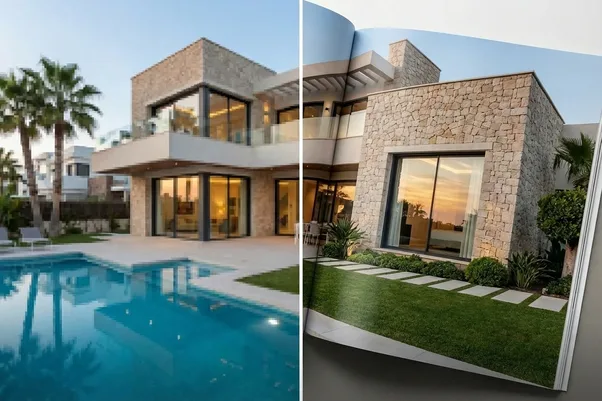
From RAW to Ready: How AI Real Estate Photo Editing Predicts What Buyers Notice First
When someone scrolls through a property listing, their attention lasts only a few seconds. Most buyers don’t read the headline or the description first, they look at the photos. That’s where first impressions are made.
As real estate photographers, we spend hours trying to make every shot feel natural, balanced, and bright. But editing each image by hand is time-consuming, and small mistakes can shift how a buyer feels about a space. That’s why AI real estate photo editing is becoming such a big deal. It doesn’t just make photos faster, it makes them smarter.
At AutoHDR, we’ve learned that the right balance of exposure, tone, and brightness can guide the viewer’s eye exactly where you want it to go. Let’s look at how AI understands what buyers notice first and how that changes the way property photos are edited.
Where Buyers’ Eyes Go First
Real estate photos tell a story. The bright kitchen window, the view through the sliding door, the soft light on a countertop, these details pull buyers in.
Eye-tracking studies show that viewers look first at the brightest areas of a photo, especially windows and ceilings. If those spots are overexposed or washed out, the brain moves on quickly. That means your most expensive listing photo might not even hold attention for two seconds.
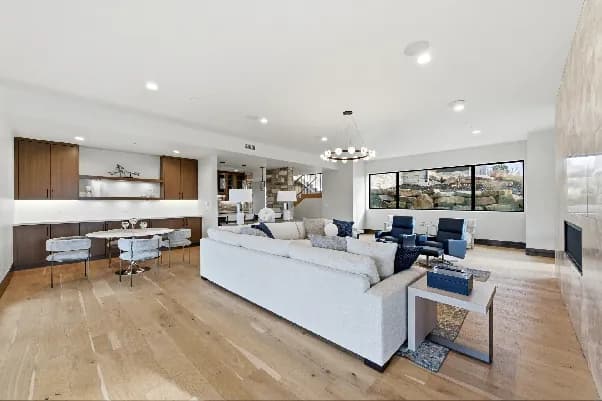
AI real estate photo editing helps prevent that. Instead of simply brightening or darkening an image, it studies how people react to light and color. The AI adjusts exposure so that windows look clear, highlights feel natural, and shadows keep their depth. The result: photos that look real, not flat.
How AI Understands Exposure
Every camera sensor reads light differently. Even with bracketing or HDR shots, it’s easy for interiors to look dim or uneven. AI helps correct this by analyzing each exposure frame in a sequence and predicting how a buyer’s eye will move across it.
When AutoHDR processes a photo, the system looks at thousands of similar scenes it has learned from. It is known that in a living room, buyers usually notice the window view and ceiling first. In a kitchen, it’s the counters and cabinets. It blends the frames accordingly, keeping the important parts bright but controlled.
That’s the heart of AI real estate photo editing, using learned visual patterns to highlight the features that matter most without over-editing.
Tone, Warmth, and the Feeling of “Home”
Light isn’t just technical, it’s emotional. The right tone can make a space feel open and calm, or dark and cold.
AI editing tools now measure how different tones affect human attention. For example, a warm photo with balanced white levels holds the viewer’s gaze longer. A slightly cooler tone may work better for modern interiors with sharp lines.
We’ve seen this firsthand at AutoHDR. When the tone feels natural, buyers spend more time on a listing. That’s why our system doesn’t just process files; it studies what works. Each edit subtly adapts, ensuring the warmth and brightness match how the space feels in person.
AI real estate photo editing takes that instinct photographers have, the feeling of “this looks right”, and applies it across thousands of images with the same precision.
The Core Edit Still Comes First
AI doesn’t skip the fundamentals. Before fine-tuning exposure or tone, every image goes through the same core process:
- Placing a clean, natural sky
- Masking the windows correctly
- Balancing white levels across rooms
- Removing reflections or the camera from glass
- Straightening lines and fixing perspective
These steps make every image feel professional before any stylistic decisions happen. Once the base is solid, add-ons like virtual twilight, grass greening, or virtual staging can enhance emotion, but they’re never the focus. The real impact always comes from those clean, accurate core edits.
Smarter Edits Through Data
When we process tens of thousands of photos daily, we notice patterns. We see what holds attention, what gets skipped, and what makes agents say “this one feels right.” That feedback shapes how the AI continues to edit.
Every time a photo is approved, the system learns which balance of brightness, sharpness, and tone helped the property stand out. That’s why AI real estate photo editing keeps improving over time. It’s not guessing, it’s adapting to what buyers and photographers consistently prefer.
Speed Meets Insight
Fast editing doesn’t mean careless editing. A single listing can have 50 or more photos, and manual editing could take half a day. With AI, that same set is finished in minutes. But what really matters is that each image follows the same visual logic.
When buyers swipe through a gallery, every frame feels connected, same tone, same warmth, same balance. That level of uniformity is nearly impossible with multiple human editors. AI real estate photo editing ensures every photo in the set feels cohesive, helping buyers stay focused on the property instead of the edits.
From RAW to Ready, Without Losing the Craft
Photographers still define the vision. The AI just helps make it real faster. By handling repetitive corrections, it lets us focus on shooting composition, lighting, and emotion, the parts that really sell a space.
At AutoHDR, we believe editing should enhance the truth of the photo, not change it. That’s why every update to our system focuses on realism, not filters.
When you see how AI real estate photo editing predicts what draws attention, it’s clear this isn’t about automation replacing artistry. It’s about giving photographers a smarter way to present their best work, straight from RAW to ready.
FAQs
How does AI determine which parts of a real estate photo buyers notice first?
AI uses image analysis and visual attention patterns to identify areas that naturally attract the eye, such as windows, exterior views, kitchen features, architectural details, and well-lit focal points. It then adjusts exposure, contrast, and tone to ensure those elements remain clear and visually appealing.
Why is exposure balance so important in real estate photography?
Proper exposure balance helps preserve detail in both bright and dark areas of an image. Overexposed windows, dark corners, or blown highlights can distract buyers and make rooms feel less inviting.
Can AI improve the emotional impact of listing photos?
Yes. AI can help optimize brightness, colour temperature, contrast, and tonal balance to create images that feel warm, welcoming, and realistic. These subtle adjustments can influence how buyers perceive a space and encourage them to spend more time viewing a listing.
What core edits are essential before applying creative enhancements?
Professional real estate photo editing typically starts with HDR blending, white balance correction, window masking, perspective correction, reflection removal, and exposure balancing. These foundational edits ensure the property is presented accurately before optional enhancements such as virtual staging or twilight effects are added.
How does AI help maintain consistency across an entire property gallery?
AI applies the same editing standards across every image in a photo set, ensuring consistent exposure, colour balance, contrast, and perspective correction. This creates a cohesive viewing experience that helps buyers focus on the property rather than differences between individual photos.