Crossing the Uncanny Valley: Why Buyers Can No Longer Spot AI-Staged Rooms
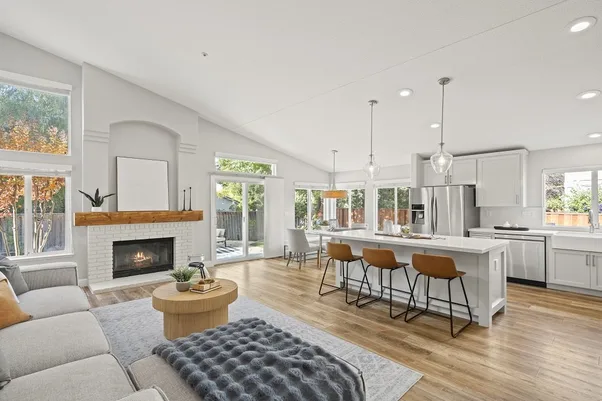
A couple of years ago, spotting a staged photo was almost a game. The lighting sat slightly wrong. Furniture had a floating quality, like it had been dropped into the room rather than placed in it. Shadows fell in directions the windows couldn't explain.
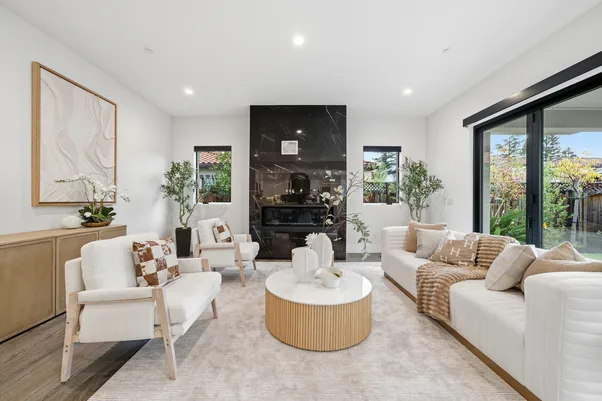
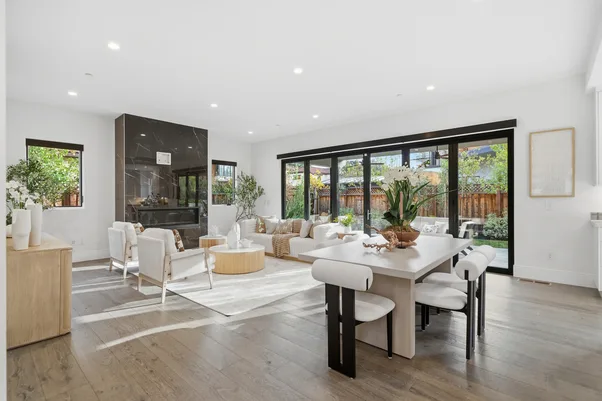
That's over. AI virtual staging has crossed a line where most buyers scrolling a listing can't tell a professionally furnished room from one that was never furnished at all. That shift changes more than the industry has really accounted for.
What Used to Give It Away
Early AI virtual staging had a consistent set of tells. Furniture edges blurred into the floor. Shadows ignored the windows. Proportions came out a little too perfect, more showroom than lived-in space. Anyone who'd looked at enough listings could pick out the staged ones in a few seconds.
Those tells mattered more than anyone appreciated at the time, because they created a kind of built-in honesty. Even with no label attached, a buyer could often sense a room had been digitally furnished and adjust their expectations before ever walking through the door.
Why That Doesn't Hold Anymore
The technology has closed most of those gaps. Lighting matches the windows. Shadows fall where they should. Furniture sits at a scale that matches the real dimensions of the space instead of looking stretched or shrunk to fit. The result holds up to a much closer look than it used to.
For what AI virtual staging is trying to do, that's a genuine win. A vacant, cold-looking room can now be shown the way it might look furnished, without the visual glitches that used to announce the edit. But the tell that kept buyers a little cautious has gone with it.
What This Means for Buyer Trust
When a buyer could spot staging easily, they naturally discounted those photos. Now that the difference is hard to catch, staged rooms get the same trust an unedited photo would. More of the responsibility for honesty has moved onto whoever made the image.
Which is why disclosure matters more now than it did when staged photos announced themselves. Once the visual cues fade, a clear label is the only thing left bridging the gap.
Convincing AI virtual staging isn't a problem on its own. The problem shows up when a buyer walks into an empty room expecting the furnished version they saw online, with no warning that the photo and the property weren't quite the same thing.
Where the Technology Genuinely Helps
None of this means AI virtual staging deserves suspicion. An empty room photographs badly almost every time. It looks smaller, colder, and harder to picture yourself living in. Staging solves a real problem by showing that same room the way it could look, giving buyers something to connect with instead of four bare walls and a window.
We build our staging tools around keeping that connection honest. Realistic proportions, lighting that matches the actual room, furniture placement that respects the true scale of the space. Not staging that oversells what the room can hold.
AI virtual staging works best when what a buyer sees online is something the room could genuinely become, not something it never could.
What Comes Next
As the gap between staged and real keeps closing, the industry's responsibility shifts with it. Relying on buyers to notice the difference themselves isn't good enough anymore, because increasingly they won't. The realism that makes AI virtual staging useful is the same realism that makes clear disclosure non-negotiable.
The technology solved the problem of convincing buyers a room could look great. What's left is making sure they still know what they're looking at.
FAQs
What is AI virtual staging?
AI virtual staging is a digital editing process that uses artificial intelligence to add realistic furniture and decor to photos of empty properties. It helps buyers visualize how a space could look without physically staging the home.
Why is AI virtual staging harder to recognize today?
Modern AI virtual staging uses advanced image generation techniques that accurately match lighting, shadows, room dimensions, and perspective. As a result, staged images often look nearly identical to professionally photographed furnished rooms.
Should AI virtual staging be disclosed in real estate listings?
Yes. As AI virtual staging becomes more realistic, clear disclosure is important so buyers understand that the furniture shown is digitally added and not included with the property. Several states now require it by law, and local MLS rules and brokerage guidelines should always be followed.
Does AI virtual staging mislead buyers?
Used responsibly, AI virtual staging is designed to help buyers visualize the potential of an empty space rather than misrepresent it. Realistic furniture placement and accurate room proportions help create an honest representation of what the room could become.
Why do real estate agents use AI virtual staging?
AI virtual staging helps vacant properties attract more attention by making rooms feel warmer, more functional, and easier to imagine living in. It is a cost-effective alternative to physical staging while improving the overall presentation of a listing.