AI Real Estate Photo Editing Myths: What Professionals Still Get Wrong Going into 2026
Ask ten real estate photographers what they think about AI editing, and you’ll probably hear a mix of excitement and hesitation. Some swear it’s the future. Others still believe it can’t match a human touch. The truth? Most of what people think they know about AI real estate photo editing is outdated or simply wrong.
We’ve seen it firsthand at AutoHDR. Every week, photographers test the system expecting “robotic” results, and then realize the edits look just like, or even better than, their usual ones. The reason is simple: AI editing isn’t a shortcut anymore. It’s a new standard for accuracy, consistency, and workflow freedom.
Let’s break down the biggest myths professionals still believe and what’s really happening behind the screen.
Myth 1: AI Edits Look “Fake”
This is the most common misconception. People imagine flat colors, strange lighting, or plastic-like walls. But that version of AI editing doesn’t exist anymore.
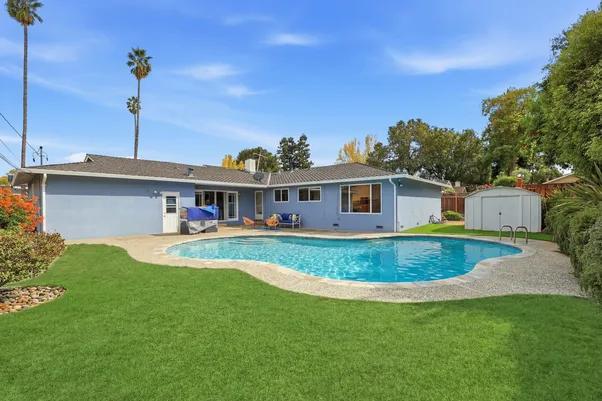
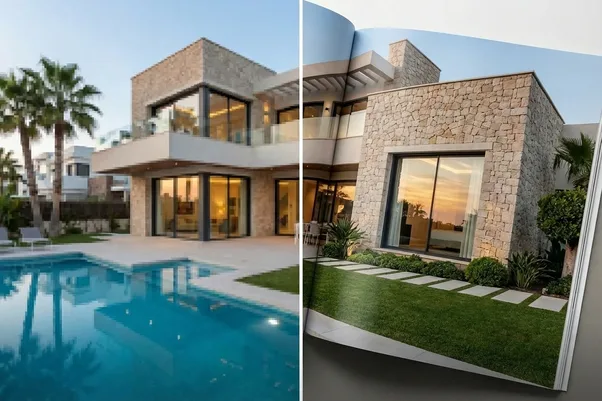
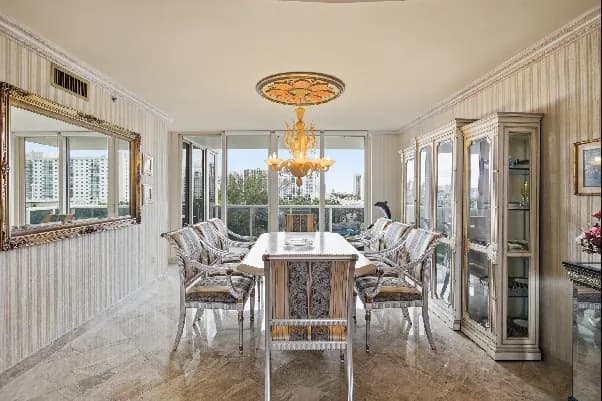
Modern AI real estate photo editing focuses on realism. The system doesn’t apply filters or fake textures, it restores balance. When we edit, the AI studies light patterns, not styles. It places the correct sky, adjusts white balance, masks windows, removes reflections, and straightens lines with pixel-level precision.
The goal is not to “beautify” an image. It’s to make it look exactly how the space felt when you were there. When a photo feels fake, it’s because tone and light don’t match memory. AI solves that by learning from thousands of properly exposed and balanced photos.
At AutoHDR, we constantly hear clients say, “I can’t tell which ones are AI-edited anymore.” That’s the point. If you can’t spot the edit, it’s working.
Myth 2: AI Can’t Match Mood or Emotion
Some photographers believe that AI can’t capture the feeling of a room, the warmth of a sunset through the blinds or the cool tone of a modern kitchen. But that’s exactly where the technology shines now.
Mood comes from tone and color harmony. AI real estate photo editing analyzes the relationships between light sources, shadows, and materials in every image. It adjusts brightness and contrast based on how humans perceive comfort and clarity.
When the algorithm sees a warm light source like a lamp or golden-hour sun, it preserves that warmth instead of flattening it. When it sees daylight, it keeps whites crisp without over-brightening. This is how AI editing translates feeling, by keeping the emotional temperature of the space consistent with the natural light.
So rather than killing the mood, AI protects it. The result is an image that feels balanced but still alive.
Myth 3: AI Misses Details Humans Catch
Many pros think AI can’t handle small details, reflections, mixed light, or tilted horizons. The truth? Those are exactly the things AI does best because they’re predictable patterns.
The core steps of every AutoHDR edit are detail-driven:
- Masking windows accurately
- Balancing white tones across mixed lighting
- Placing natural skies that match exposure
- Removing camera reflections or glare
- Straightening verticals for a clean perspective
Each action is automated, but precision-tested against thousands of photo samples. AI doesn’t skip steps or lose focus after a long shift. It applies the same accuracy from the first image to the 100,000th.
That level of consistency is hard for humans to maintain under tight deadlines. AI doesn’t get tired or distracted, and that’s how it wins in detail.
Myth 4: AI Is Just About Speed
Speed is the easiest part to measure, so it’s what people talk about most. Yes, a full set of edits can be ready in under five minutes, but speed isn’t the headline, it’s the result of automation done right.
AI real estate photo editing doesn’t just make things faster; it removes the time traps that used to slow us down: long upload queues, manual sorting, and constant revisions. AutoHDR handles merging separately from sorting, because one is creative and the other is technical. This clean separation keeps image quality consistent while still saving hours each week.
The real win is reliability. Every edit follows the same tested workflow, so photographers can plan their schedules around delivery time instead of waiting on editors in different time zones. Fast becomes predictable, and predictable builds client trust.
Myth 5: It’s Not for “Serious” Professionals
There’s still a belief that AI editing is for entry-level photographers who want quick results. That couldn’t be further from the truth. Some of the biggest real estate teams in the U.S. now rely on AI real estate photo editing to scale their operations without losing quality.
When you’re delivering thousands of photos a month, manual editing becomes the bottleneck. AI removes that wall. And because the system improves with each photo processed, the results actually get better over time.
Professional doesn’t mean “manual.” It means efficient, consistent, and scalable, and that’s exactly what AI provides.
Myth 6: AI Removes the Photographer’s Touch
This one comes up often, but the misunderstanding is in what “touch” really means. The photographer’s creative eye comes from the field, how you compose, light, and capture the space. Editing shouldn’t change that.
AI simply completes the technical process faster and more accurately. It doesn’t decide composition or style; it refines what you’ve already captured.
At AutoHDR, we see AI as a partner, not a replacement. It handles the repetitive corrections, so photographers can stay focused on shooting, client relationships, and growth.
The Real Picture
The myths about AI editing come from an older version of the technology, one that’s already been replaced. The truth is that AI real estate photo editing has matured into a professional-grade workflow tool that matches the human eye and protects artistic intent.
When done right, AI doesn’t remove creativity. It gives it more room to breathe.
And that’s the biggest shift we’ve seen across the industry: photographers aren’t afraid of AI anymore. They’re embracing it, because it finally works the way they do.
FAQs
Do AI-edited real estate photos still look artificial or over-processed?
Modern AI real estate photo editing is designed to create natural, realistic results rather than heavily stylized images. Advanced systems focus on balancing exposure, correcting colour, preserving window detail, and maintaining accurate lighting so that photos reflect the property as it appears in person.
Can AI preserve the mood and atmosphere of a property?
Yes. Today's AI editing tools can analyze lighting conditions, colour temperature, and contrast to maintain the natural feel of a space. Whether a room has warm evening light or bright daylight, AI can enhance the image while preserving its intended atmosphere.
Is AI editing only valuable because it saves time?
No. While faster turnaround is a major benefit, AI also improves consistency, reduces repetitive manual work, minimizes editing variations between projects, and helps photographers maintain a professional standard across large volumes of images.
Can AI handle detailed editing tasks such as window masking and perspective correction?
Yes. Modern AI-powered editing platforms can perform precise technical adjustments including HDR blending, window pulls, white balance correction, perspective correction, reflection removal, and exposure balancing.
Do professional real estate photographers use AI photo editing tools?
Yes. Many professional photographers, agencies, and real estate media companies use AI-powered workflows to improve efficiency, maintain consistent image quality, and scale their operations without increasing editing workloads.
Does AI replace the photographer's creative input?
No. Photographers remain responsible for composition, lighting, framing, and capturing the property's best features. AI supports the post-production process by handling technical corrections and repetitive editing tasks, allowing photographers to spend more time focusing on creativity and client service.