Winter Listings, Summer Lawns: How AI Grass Replacement Is Solving the Off-Season Listing Problem
A house doesn't stop being a good listing just because it's January. But the yard sure looks like it does. Brown grass, patches of snow, a driveway lined with dead leaves nobody raked in November - none of that helps a buyer picture summer barbecues on the back deck. Curb appeal takes a real hit every winter, and agents who list during the colder months have known this for years without much of a fix beyond waiting for spring.
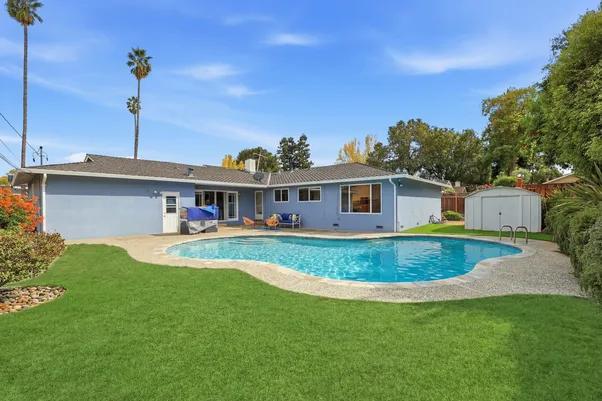
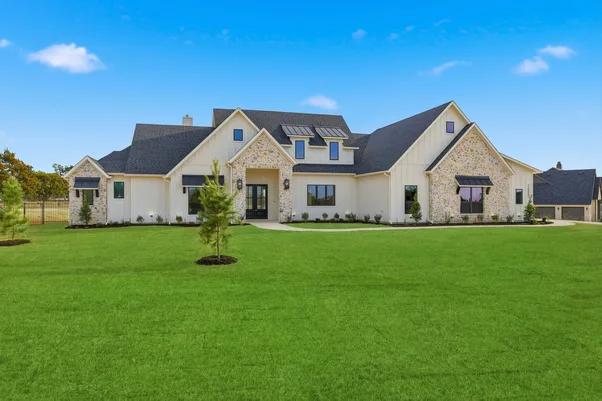
That's where AI grass replacement comes in. Instead of waiting six months for the lawn to green up on its own, or scheduling a second photo shoot after the thaw, photographers can now edit dead or snow-covered grass into a healthy green lawn directly in post-processing. The house looks the same. The yard just looks like it's having a better month.
Why Winter Listings Struggle
Home sales don't pause for cold weather, but buyer enthusiasm does dip a little, and a lot of that comes down to what the photos are showing. A summer listing photo naturally does half the selling work through green grass, blue sky, and a yard that looks alive. A winter listing photo of the exact same house often looks flat and a little sad by comparison, even when the house itself is in great shape.
Agents have tried a few workarounds over the years. Some wait until spring to list, which means sitting on inventory during a season when serious buyers are still actively looking. Others schedule photos for a sunny break in the weather and hope it works out, which isn't exactly reliable in most parts of the country between November and March.
How AI Grass Replacement Actually Works
The process itself is simpler than it sounds. A photo comes in with brown, patchy, or snow-covered grass, and the software identifies the lawn area separately from the rest of the image - the walkways, the house siding, the trees. It replaces just that section with a natural-looking green lawn while keeping shadows, lighting, and texture consistent with the rest of the photo, so it doesn't look pasted in.
This matters more than it might sound like at first. A sloppy grass replacement is obvious immediately - a lawn that looks too uniform, edges that don't match the actual yard shape, or green that looks nothing like real grass under that specific lighting. Good AI grass replacement pays attention to the season, the angle of the sun in the photo, and the natural variation real grass actually has, patchy spots and all, just healthier looking ones.
What This Means for Agents Listing in the Off-Season
For an agent, this closes a real gap. A listing that would have looked its worst in February photos can now look close to how it would in June, without asking the seller to wait months or pay for a second photo shoot once the weather turns. That's a meaningful advantage in markets where winter inventory is thin and buyers are actively searching regardless of the season.
It also helps sellers who genuinely have neglected the lawn, whether from a rental property sitting vacant or an estate sale where nobody's been mowing. AI grass replacement isn't about hiding structural problems with the yard. It's specifically about fixing the seasonal, temporary stuff, dead winter grass, that doesn't reflect what the lawn actually looks like most of the year.
Where the Line Sits
This is worth being direct about. AI grass replacement should only touch what's temporary and seasonal. A dying lawn from poor drainage, a yard with bald patches from a dog running the same path every day, or actual landscaping problems shouldn't get edited away, since that crosses into misrepresenting the property rather than just showing it in fair seasonal light. Most MLS guidelines already draw this line clearly: cosmetic and seasonal edits are fine, structural or condition-related ones aren't.
Photographers using AI grass replacement well tend to treat it the same way they'd treat a sky replacement or a twilight edit - a normal part of making a listing look as good as it can on a day when the weather didn't cooperate, not a way to disguise anything real buyers should know about before making an offer.
A Small Edit With a Real Impact on Off-Season Listings
Winter listings will probably always sell a little slower than spring ones. That's just how buyer behavior works, and no photo edit changes that completely. But a lot of the gap comes down to first impressions, and a green lawn instead of a brown one in the very first photo a buyer sees genuinely moves the needle on click-through and time spent on a listing.
For photographers building this into a normal winter workflow, AI grass replacement has become one of the easier wins available - a fast edit that takes seconds per photo but changes how the whole listing reads at a glance.
Try it on your own listings
AutoHDR is the AI editing platform built for real estate photographers and agents who need a full listing package - HDR photo editing, virtual staging, twilight conversion, item removal, and grass replacement - delivered from one workflow instead of several disconnected tools. New accounts get up to a month of free credits. Upload a set of listing photos or book a demo at autohdr.com to see the turnaround on your own shoots.
FAQs
Does AI grass replacement work on any type of lawn damage?
It's built for seasonal and temporary issues, like dormant winter grass or a patchy dry spell, not structural problems such as drainage damage or dead spots from years of neglect. Those should stay visible or be disclosed rather than edited out.
Will an edited lawn look different from the real yard when a buyer visits in person?
In winter, yes, temporarily, since the point of the edit is showing the lawn's healthy-season appearance rather than its exact current state. Most agents pair the edit with a note that photos reflect seasonal conditions, similar to how a twilight edit doesn't imply the showing will happen at dusk.