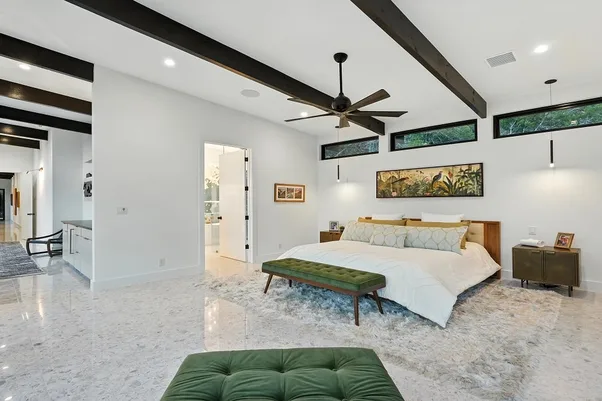
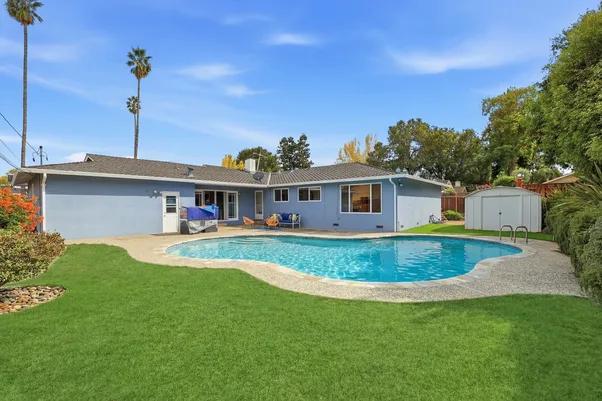
The Thumbnail Problem: Why Dead Grass in Photo #1 Costs Clicks Before Buyers See the Kitchen

Before a buyer ever opens a listing, they're looking at a small square on a search results page. That square is whatever photo got set as the first image, and it's almost always the exterior shot.
If that exterior shows a lawn that's patchy, brown, or dried out, the thumb keeps scrolling. The kitchen, the primary bedroom, and every other room in the house never get seen at all.
That's the real cost of skipping real estate grass replacement. It isn't vanity. It's which listings even get a chance to be judged on their merits.
The Thumbnail Is Doing More Work Than People Realize
Every major listing platform, Zillow, Redfin, the MLS itself, pulls the first photo in a gallery and turns it into a small thumbnail on the search results grid. Buyers scanning a dozen listings at once aren't clicking into each one. They're skimming thumbnails and deciding, almost instantly, which are worth a second look.
So the exterior shot isn't one photo among many. It's frequently the only photo a buyer sees before deciding whether to click at all.
If that thumbnail shows dead or patchy grass, it reads as neglect before the buyer has any other information about the property. They haven't seen the renovated kitchen. They haven't seen the natural light in the living room. They've seen a brown lawn, and for a lot of buyers that's enough to keep scrolling.
Why Grass Condition Hits Different Than Other Flaws
A cluttered room or an awkward camera angle inside the house is a problem, but it's rarely the first thing a buyer sees. Real estate grass replacement matters specifically because of where that flaw tends to show up: right in the thumbnail, right at the moment a buyer is deciding whether the listing is even worth opening.
There's a psychological piece to this too. A dead lawn gets read as a signal about how well the whole property has been maintained, even when that isn't true. Buyers make quick, sometimes unfair associations. A brown yard suggests neglect, and that impression can quietly extend to assumptions about the roof, the plumbing, or anything else they haven't seen yet.
Seasonal Timing Makes This Worse Than It Should Be
Grass doesn't stay green year-round in most markets. Drought conditions, late summer heat, or a rough winter can leave a lawn looking rough at exactly the moment a seller needs to list.
Waiting for the grass to recover naturally isn't always an option when a property needs to go on the market now, not in six weeks once seasonal rain returns.
This is where real estate grass replacement solves a problem that's genuinely outside anyone's control. A seller shouldn't have to delay listing because the lawn happened to brown out during a dry stretch. Editing the exterior photo to show healthy grass gives the listing a fair shot at that first thumbnail impression, regardless of what the yard looked like the week the photos were taken.
Where the Disclosure Line Sits
Worth being straight about this, because it's changing. Changing the color of a lawn is not the same category of edit as correcting exposure or straightening a vertical.
Under California's AB 723, which took effect on January 1, 2026, an edit that adds, removes, or changes a physical element of a property counts as a digital alteration and has to be disclosed, with the unaltered image published alongside it in online listings. Wisconsin's 2025 Act 69 takes a similar line from 2027, and it names a greener lawn than the property actually has as an example of the kind of change that creates a disclosure issue.
That doesn't make grass replacement off limits. It means labeling it. Check your state rules and your MLS policy, disclose the edit clearly, and the technique does its job without creating a problem at the other end.
What Actually Needs Fixing in the Photo
The fix itself doesn't need to be dramatic. Real estate grass replacement is about correcting patchy, discolored, or dried-out areas so the lawn reads as healthy and cared for, not transforming the yard into something unrecognizable. The goal is an accurate, appealing version of the exterior. Not an exaggerated one.
Done well, this sits alongside the other core fixes that make an exterior shot work: straightening the angle, correcting white balance so the whole image doesn't skew too warm or too cool, and making sure the sky isn't blown out or flat. Grass condition is one piece of a bigger picture, but it's often the piece sitting closest to the front of that thumbnail.
Why This Deserves More Attention Than It Gets
A lot of listing prep focuses heavily on the interior. The staging, the lighting inside each room. That makes sense, since buyers spend most of their time once they've clicked into a listing looking at those photos.
But real estate grass replacement addresses something that happens before any of that interior work gets a chance to matter. If the exterior thumbnail doesn't earn the click, none of the work that went into the interior photos gets seen at all.
That's a strange place for a listing to lose a buyer, over a detail that has nothing to do with the actual quality of the home. A great kitchen photo buried at position six doesn't help if nobody ever clicks past the thumbnail to find it.
FAQs
What is real estate grass replacement?
Real estate grass replacement is a photo editing service that digitally enhances brown, patchy, or dry lawns to appear healthy and well maintained. The goal is to improve the property's presentation while preserving the natural appearance of the landscape.
Why is grass replacement important for listing photos?
The exterior image is often the first photo buyers see in search results. A healthy-looking lawn creates a stronger first impression and can encourage more buyers to click on the listing and explore the rest of the property.
Does real estate grass replacement need to be disclosed?
In several states, yes. California's AB 723 treats edits that change a physical element of the property as digital alterations requiring disclosure and publication of the unaltered image. Wisconsin's 2025 Act 69 takes a similar approach from 2027. Follow your state regulations and MLS policy.
Can grass replacement be used during winter or drought conditions?
Yes. Grass replacement is commonly used when seasonal weather, drought, or dormant grass causes lawns to appear brown or patchy. It helps listings maintain an attractive appearance regardless of the season, provided the edit is disclosed where required.
What other edits are commonly combined with grass replacement?
Real estate grass replacement is often performed alongside sky replacement, color correction, perspective correction, object removal, HDR blending, and other exterior photo enhancements to create polished, professional listing images.