The Core Edit Revolution: Why Real Estate Pros Care More About White Balance Than Virtual Staging
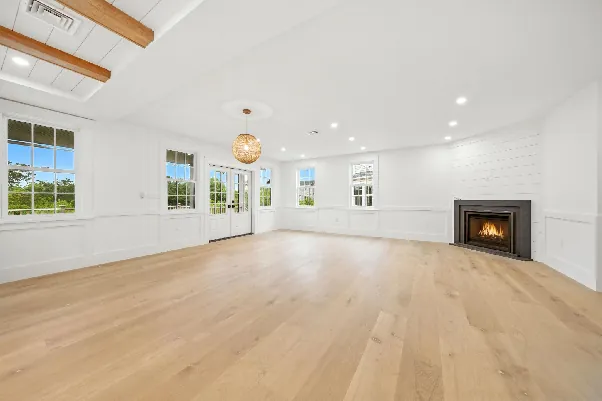
Ask any experienced real estate photographer what makes a listing photo look high-end, and they will rarely say “virtual staging.” They will say clean light, straight lines, and natural color. No amount of digital furniture can fix a photo that feels off. At AutoHDR, we see it every day. The listings that get the most attention are not the ones with flashy add-ons but the ones built on perfect real estate photo editing fundamentals.
This shift toward “core editing” is what we call the core edit revolution. It is a growing movement among professionals who want their photos to look real, balanced, and trustworthy rather than artificial.
Why Core Edits Matter More Than Ever
Core edits are the foundation of strong real estate photography. They include small but powerful adjustments like:
-
Correcting white balance so walls look neutral, not yellow or blue.
-
Straightening lines so rooms look stable and well-proportioned.
-
Masking windows to show clear outdoor detail.
-
Removing minor lens distortion that makes a space feel off.
These are the details buyers might not notice consciously, but they feel them immediately. Proper real estate photo editing builds trust and creates that “luxury” look even in a modest home.
Virtual staging, grass greening, or twilight conversions are great tools, but they work best after the basics are flawless. Without clean white balance or accurate lighting, even the best staging looks fake.
The Problem With Over-Editing
A growing number of real estate photographers have learned that over-edited images turn clients away. Heavy color filters, fake skies, and unrealistic lighting might grab attention online, but they can backfire when buyers visit the property.
This is where AI photo editing real estate tools often get misunderstood. Automation does not mean fake. When built for professionals, AI editing actually reinforces consistency and accuracy, not gimmicks.
At AutoHDR, we train our system to preserve natural light and color so your images stay true to the home. The goal is clarity, not exaggeration.
The Rise of the Core Edit Revolution
We are seeing a clear shift in the industry toward authenticity. Real estate photographers and agencies want efficiency but not at the cost of trust. They are moving away from oversaturated, stylized edits and returning to clean, balanced imagery.
That is why more professionals are investing in platforms like AutoHDR, a real estate AI photo editor designed for core image correction first.
The revolution is about workflow and integrity.
Workflow because you should not spend hours fixing color and exposure manually.
Integrity because what you show online should match what the buyer sees in person.
This approach is not about doing less. It is about doing the right things faster.
What Core Editing Looks Like in Practice
Here is what happens inside AutoHDR’s system:
-
White Balance Correction: The software reads the lighting temperature of each shot and adjusts tones so every wall, floor, and ceiling feels true to life.
-
HDR Merging: Multiple exposures are blended for perfect interior and exterior balance. There are no blown-out windows or dark corners.
-
Line Correction: Vertical and horizontal alignment is automatically fixed so rooms look professional and stable.
-
Color Accuracy: Instead of boosting saturation, subtle adjustments maintain natural hues and textures.
This combination defines modern real estate photo editing. It is quick, accurate, and realistic.
Why Clients Notice Even If They Don’t Know Why
When buyers browse listings, they may not realize why one photo feels better than another. But their brains notice balance, light, and realism. Proper real estate AI photo editing builds emotional credibility. Photos that look honest build trust faster.
For agents, that trust converts directly into value. Listings that appear realistic and high-quality get more engagement, more inquiries, and better offers.
A perfect example is one of our agency users who reduced their retouching workload by 80 percent after switching to AutoHDR. They still offer add-ons like virtual twilight and staging, but those are finishing touches, not the main product.
Balancing Add-Ons and Core Edits
Add-ons like virtual staging or twilight editing have their place in the workflow. But they should never hide weak fundamentals. These extras should be treated as marketing enhancements, not corrections.
Once the core edits are done, balanced color, clean lines, and natural tone create the right foundation. Only then do add-ons like staging or grass enhancement add real value instead of distraction.
AutoHDR supports both approaches. Our online AI real estate photo editor handles the essentials automatically and gives you the option to layer in creative edits when needed. That is how you maintain both speed and authenticity.
The Business Edge of Core Editing
Photographers who focus on core edits often outperform competitors who rely on heavy post-production. They deliver faster, maintain consistency, and meet MLS standards without risking rejection.
Agents value reliability. When they know your photo editor real estate process produces natural, compliant images every time, they keep coming back.
That is the business case for focusing on what matters most: the fundamentals.
Where the Industry Is Heading
By 2026, clients will expect editing that looks effortless and genuine. Over-staged or unrealistic photos will start to feel dated. The future of real estate photo editing services will be defined by precision, not polish.
At AutoHDR, we are already seeing how this change benefits photographers. Our users are cutting editing time in half while improving color accuracy and client satisfaction.
This is what the core edit revolution looks like. Faster workflows, real colors, and photos that buyers trust instantly.
Conclusion
The best real estate photos do not just look good. They feel real. That is why the professionals leading the market are investing in solid real estate photo editing rather than chasing flashy effects.
At AutoHDR, we believe quality starts with the basics: clean white balance, perfect alignment, and natural light. Virtual staging might help a listing shine, but core edits are what make it believable.
That is the future we are building. Faster, truer, and more reliable editing that helps every photo tell the truth beautifully.
FAQs
Why is white balance considered one of the most important real estate photo edits?
White balance ensures colours appear natural and accurate. When it is incorrect, walls can look yellow, blue, or grey, making rooms feel uninviting or unrealistic. Proper white balance helps buyers see the property as it truly is and creates a more professional presentation.
What are core edits in real estate photo editing?
Core edits are the essential adjustments that improve image quality without altering the property itself. These include HDR blending, white balance correction, perspective correction, window masking, exposure balancing, and lens distortion correction.
Why shouldn't virtual staging replace strong foundational editing?
Virtual staging can enhance a property's appeal but it cannot fix poor lighting, inaccurate colours, crooked lines, or blown-out windows. Core edits ensure the photo looks clean and realistic first, allowing any additional enhancements to appear natural and credible.
How do natural-looking edits improve buyer trust?
Buyers are more likely to trust listing photos that accurately reflect the property. Over-edited images can create unrealistic expectations and lead to disappointment during viewings. Natural, balanced edits help listings look polished while remaining true to the actual space.
What role does HDR editing play in professional real estate photography?
HDR editing combines multiple exposures to capture details in both bright and dark areas of a scene. This creates balanced images with clear window views, well-lit interiors, and realistic contrast, helping properties appear more inviting without looking artificially enhanced.