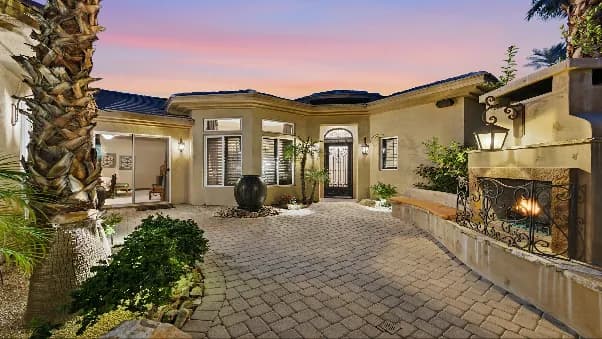
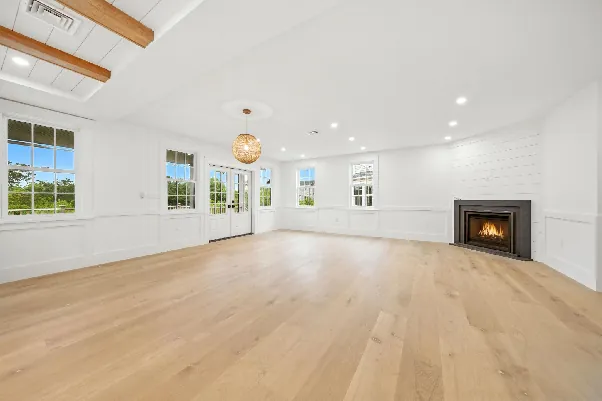
AI Editing Meets MLS Rules: How AutoHDR Keeps Real Estate Photos Authentic in a Regulated Market
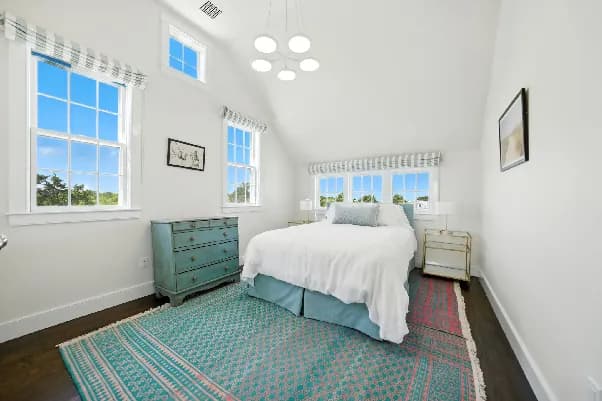
Real estate photos have one job, to show homes accurately and attractively. But as technology advances, that simple job is getting more complicated. With AI real estate photo editing tools capable of removing, adding, or transforming almost anything in an image, it is easier than ever to cross the line between enhancement and misrepresentation.
That is why Multiple Listing Service (MLS) platforms have tightened their rules. They want to protect buyers, sellers, and agents from misleading visuals. At AutoHDR, we understand that balance better than anyone. Our editing system is built to enhance photos while keeping every image authentic, compliant, and trustworthy.
Why MLS Rules Matter for Photographers
MLS platforms set the standard for property marketing. When a photo appears on an MLS listing, it is expected to represent the home’s real condition. A brightened living room or replaced sky is fine, but adding furniture, removing flaws, or changing wall colors crosses the line.
Breaking those rules can result in penalties for agents and lost trust from buyers. That is why every AI real estate photo editing workflow must follow a clear ethical code: improve clarity, never change reality.
At AutoHDR, we help photographers and agencies maintain this balance with automatic safeguards that keep every edit natural and compliant.
Where the Line Is Drawn
Understanding the difference between legal enhancement and misleading manipulation is crucial. Here is how the MLS defines it, and how we approach it.
Allowed (Enhancement):
-
Adjusting brightness and contrast.
-
Correcting white balance and exposure.
-
Straightening lines or applying perspective and camera reflection corrections.
-
Automatic HDR editing for balanced light.
-
Removing temporary items such as trash cans or cords.
Not Allowed (Misrepresentation):
-
Virtually remodeling rooms or exteriors.
-
Removing permanent damage or structural elements.
-
Adding furniture or décor without disclosure.
-
Replacing grass, flooring, or paint colors.
AutoHDR’s real estate AI photo editor is programmed to perform only the enhancements in the first category. Our workflow improves image quality while keeping every property photo true to what buyers will see in person.
How AutoHDR Keeps Edits MLS-Compliant
We built AutoHDR’s system to do three things: correct lighting, balance tone, and deliver consistency without crossing ethical lines.
Here is how our process keeps every photo accurate and MLS-safe:
Automatic HDR Editing:
Our system blends multiple exposures to create balanced, natural lighting. It ensures interior and exterior details are visible without producing unrealistic glow or contrast.
White Balance and Color Accuracy:
Every image is calibrated to show colors as they appear in real life. Walls, floors, and fixtures retain their true tones, preventing misleading warmth or oversaturation.
Line and Perspective Correction:
We straighten verticals, fix wide-angle distortion, and maintain natural proportions, all essential for MLS compliance and viewer trust.
Add-Ons with Disclosure:
Enhancements like virtual twilight or staging are available but always clearly marked. MLS rules require transparency, and we make that easy for photographers.
This approach ensures your AI photo editing real estate process aligns perfectly with MLS expectations, protecting both your brand and your clients.
Why Authentic Photos Sell Better
It is tempting to over-edit a listing to make it stand out, but authenticity sells better than perfection. Buyers have a natural sense for what looks real, and when they see honest photos, they are more likely to book showings and trust your listings.
At AutoHDR, we have found that clients who focus on natural, MLS-compliant editing see stronger engagement and better client retention. Real photos attract serious buyers, while over-edited images often lead to disappointment and lost credibility.
That is the long-term value of ethical real estate AI photo editing. It builds trust, not just clicks.
The Role of Automation in Compliance
Manual editing introduces human bias. One editor might push brightness too far, while another might tweak colors inconsistently. Automation eliminates that risk.
Our online AI real estate photo editor applies corrections through a fixed, tested process that aligns with MLS standards. The result is consistent tone, exposure, and accuracy across every image, regardless of who uploads it.
Photographers stay efficient. Agents stay compliant. Clients receive photos that look professional and authentic.
Transparency Builds Reputation
Honesty in editing is not only about following rules, it is about protecting your reputation. Agents who deliver true-to-life photos are far more likely to earn repeat business and referrals.
That is why AutoHDR encourages transparency with all optional enhancements. If a twilight version or virtually staged photo is delivered, it is clearly labeled as such. This small detail keeps listings compliant while still giving agents flexibility to market creatively.
Ethical editing does not limit creativity; it strengthens credibility. And in real estate, credibility is the currency that keeps businesses growing.
How MLS-Compliant Editing Looks in Action
Here is an example of how AutoHDR simplifies MLS-safe editing for a typical shoot:
-
A photographer uploads bracketed images from an interior shoot.
-
AutoHDR automatically merges exposures, corrects color temperature, and straightens lines.
-
The final photo looks bright, balanced, and realistic, ready for MLS upload within minutes.
-
If the client requests virtual twilight, the edit is tagged as “digitally enhanced,” ensuring full disclosure.
That is what professional real estate photo editing services should look like: efficient, compliant, and transparent.
Conclusion
AI-powered editing has changed real estate marketing forever, but it is still up to professionals to use it responsibly. MLS rules exist to protect fairness and trust, and following them is not just good practice, it is good business.
At AutoHDR, we have built our AI real estate photo editing engine to meet these standards automatically. Every image you process through our system enhances clarity, consistency, and authenticity without crossing the line into misrepresentation.
Because in real estate photography, the goal is not to create fantasy. It is to show homes at their best, honestly, beautifully, and with integrity.
FAQs
What types of photo edits are generally allowed under MLS guidelines?
MLS guidelines allow edits that improve image quality without changing the property's actual condition. Common examples include exposure correction, HDR blending, white balance adjustment, colour correction, perspective correction, and minor cleanup of temporary distractions such as cords or trash bins.
Which photo edits can create MLS compliance concerns?
Edits that alter the property's permanent features or create a misleading impression may violate MLS rules. Examples include removing structural defects, changing flooring or wall colours, digitally renovating spaces, or adding furniture and décor without proper disclosure.
Why is authenticity important in real estate photo editing?
Authentic photos help buyers form accurate expectations before scheduling a viewing. When listing photos accurately represent the property, agents build trust, reduce buyer disappointment, and protect their professional reputation.
How can AI-powered real estate photo editing support MLS compliance?
AI editing systems can be designed to focus on technical improvements such as exposure balancing, colour correction, HDR processing, and perspective adjustments while avoiding alterations that misrepresent the property. This helps maintain both image quality and compliance.
Do virtual staging and virtual twilight images require disclosure?
In many markets and MLS systems, digitally altered images such as virtual staging or virtual twilight effects should be clearly identified as enhanced or virtually modified. Proper disclosure helps maintain transparency and prevents misunderstandings with buyers.