The 48-Hour Wait Nobody Has Anymore: Why Agents Are Staging Rooms Between Showings, Not Before Them
A listing goes live on Monday. By Wednesday it has four showings and zero offers. The old playbook says wait, gather feedback, maybe call a stager, hope the next round of buyers responds better.
That used to take days. Now an agent can stage an empty room online between one showing and the next, with a completely different look ready before the next buyer walks through the door.
That's a bigger shift than it sounds. It isn't speed for its own sake. It's the difference between reacting to what buyers are telling you and committing to one staging choice and hoping.
What the Old Timeline Actually Looked Like
Traditional staging was never fast. Booking a stager meant coordinating a schedule, waiting on furniture delivery, sometimes waiting on a design consultation before anything moved into the house. For a vacant property, that whole process could easily stretch past 48 hours before a single new photo was ready to post.
And once the furniture was in the room, changing it meant starting over. If buyers weren't responding to a modern, minimal look, switching to something warmer meant another delivery, another setup, another wait. Most agents never had the patience or the budget to try more than one approach per listing.
What Changes When You Stage Empty Rooms Online
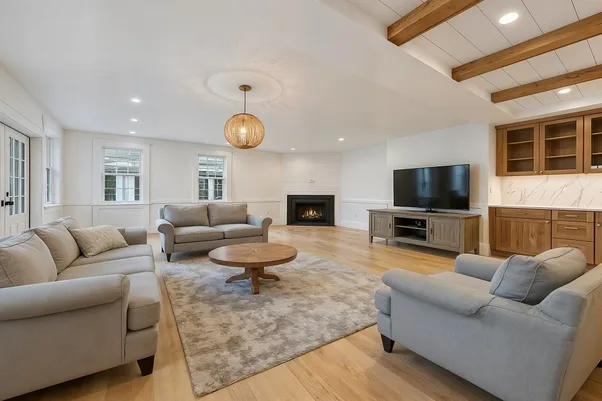
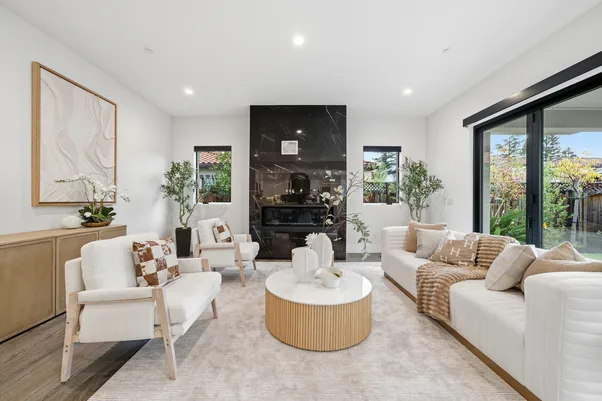
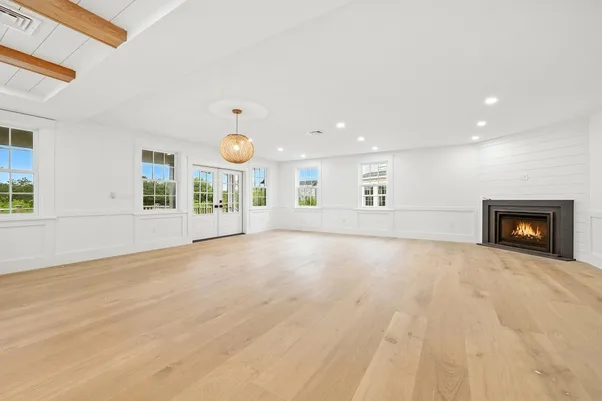
Tools that let you stage an empty room online remove almost all of that wait. Upload a photo of the vacant space, pick a style, and a furnished version is ready in minutes rather than days. No delivery truck, no design consultation, nobody's calendar to work around but your own.
That speed opens up something physical staging never allowed: trying more than one version. An agent who can stage an empty room online isn't locked into a single look for the life of the listing. If the first style isn't generating interest, a different one can be tested just as fast, without the cost of undoing and redoing physical furniture.
Reacting to Showings Instead of Guessing in Advance
This is where the real value shows up.
Feedback from an open house used to be information an agent collected and filed away for the next listing. It rarely changed anything about the current one, because changing the staging took too long to be worth it.
Now that agents can stage an empty room online between one showing and the next, that feedback actually matters in real time. If buyers keep saying the space feels too formal, a warmer style can be uploaded and live before the next scheduled walkthrough. If a room isn't reading the way it's supposed to in size or function, a different layout can be tested without waiting on anyone else's calendar.
Why This Matters More for Solo Agents and Smaller Teams
Bigger brokerages have always had more room to absorb the cost of restaging a property that wasn't performing. Smaller agents and solo photographers rarely had that flexibility. A second round of physical staging wasn't just slow, it wasn't in the budget at all.
Tools to stage empty rooms online level that out. Trying a second or third style costs a fraction of hiring a stager twice, and the turnaround fits inside a normal workday instead of requiring a week of lead time. An agent working a listing alone can now respond to a slow week the same way a large team with more resources always could.
What This Looks Like in Practice
Picture a vacant three-bedroom that's had six showings and no offers. Feedback keeps circling the same complaint: buyers can't picture the primary bedroom as anything but empty space.
Instead of waiting on a stager's schedule, the agent can stage that empty room online the same afternoon, upload the new photos, and have a furnished version live before the next scheduled tour.
That turnaround was never possible with physical staging. The wait itself was the limiting factor, not any unwillingness to try something different.
Where This Leaves Traditional Staging
Physical staging still has a place, particularly for high-end listings where buyers expect to walk through a fully furnished space in person. But for the everyday listing that needs strong photos and the flexibility to adjust quickly, staging online has removed the biggest obstacle that used to exist.
One note worth keeping in mind: staged images need to be disclosed. Several states now require a clear label on any listing photo where furniture has been digitally added, and some require the original photo to be published alongside it. Build that into the workflow and the speed advantage costs you nothing.
The 48-hour turnaround was never a rule. It was just how long the old process happened to take. Once that constraint disappears, so does the reason to commit to one staging choice and hope it's the right one.
FAQs
What does it mean to stage an empty room online?
To stage an empty room online means using AI or virtual staging software to digitally add furniture and decor to photos of vacant spaces. This helps buyers visualize how a room could look without physically moving furniture into the property.
Why are agents using online staging instead of traditional staging?
Online staging is significantly faster and more affordable than physical staging. Agents can create multiple furnishing styles in minutes, making it easy to respond to buyer feedback or refresh a listing without scheduling furniture deliveries.
Can I change the staging style after a listing goes live?
Yes. One of the biggest advantages of tools that stage empty rooms online is the ability to update the room's style quickly. Agents can test different furniture layouts or interior design themes without additional on-site work.
Do virtually staged photos need to be disclosed?
In many jurisdictions, yes. California's AB 723 requires listing photos with digitally added elements to be clearly labeled and the unaltered image to be included in online listings. Check your state rules and MLS policy before publishing.
Does staging an empty room online help attract more buyers?
Yes. Furnished rooms are generally easier for buyers to visualize and understand than empty spaces. Online staging can improve listing photos, generate more engagement, and help buyers better imagine living in the property.