HDR to Hybrid: How AutoHDR Is Redefining Exposure Blending for the Next Era of Real Estate Photography
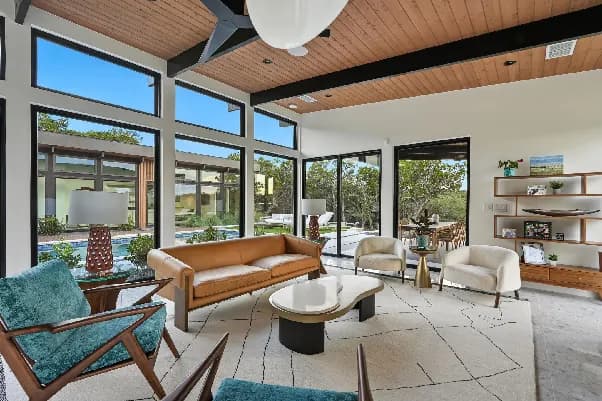
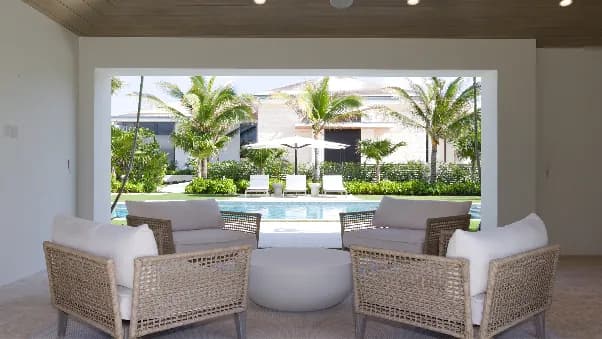
Every real estate photographer knows the challenge of balancing a bright window view with a dimly lit room. Getting both right used to mean hours of manual editing, masking, layering, and endless adjustments. HDR helped solve that problem, but even HDR had its limits. The next step is already here, and we call it Hybrid Editing.
At AutoHDR, we have re-engineered exposure blending using our AI real estate photo editor to create results that look more natural than traditional HDR and are far faster than manual blending. It is not just about brightness or tone anymore. It is about balance, accuracy, and workflow efficiency for photographers who cannot afford to lose time.
What Traditional HDR Couldn’t Fix
HDR, or High Dynamic Range, was a major step forward for photographers who needed to merge multiple exposures. By combining different shots, editors could reveal detail in both shadows and highlights. The problem was that HDR often looked too perfect or even artificial.
Over-processed HDR could flatten depth, shift colors, and make interiors appear unrealistic. It solved one issue but introduced another. For real estate, where buyers must trust what they see, that kind of artificial finish becomes a liability.
That is why our AI real estate photo editor does not rely solely on HDR. It combines its best elements with intelligent exposure analysis to produce clean, realistic lighting every time.
The Shift from HDR to Hybrid
Hybrid editing blends the reliability of HDR with adaptive exposure correction powered by automation. Instead of simply merging exposures, our system analyzes how light interacts with surfaces and adjusts contrast and tone automatically.
Here is how AutoHDR’s hybrid process improves on traditional HDR:
-
Smart Exposure Mapping: Each pixel is refined based on tone zones, not just average light levels.
-
Color Preservation: Whites stay neutral, blacks stay clean, and colors remain true to the space.
-
Window Masking Integration: Exterior brightness is managed while preserving real outdoor color.
-
Automatic Perspective and Line Correction: The photo stays natural, straight, and ready for MLS approval.
The result is a balanced, lifelike image that feels authentic to how the home looks in person. Older HDR methods could not achieve that level of consistency.
Why Hybrid Editing Matters for Professionals
Photographers are not just artists; they are business owners. Every hour spent editing means fewer shoots, fewer clients, and more burnout. That is where Hybrid Editing becomes a turning point.
By running all core corrections in one pass, an AI real estate photo editor like AutoHDR reduces hours of manual work to minutes. You shoot your brackets, upload them, and the system handles everything. There is no layering, no guesswork, and no repetitive adjustments.
That speed directly impacts client satisfaction. Agents can list properties faster, photographers can schedule more shoots, and everyone benefits.
How AutoHDR Built the Hybrid Model
We did not just update HDR, we rebuilt it from the ground up. Our hybrid process came from thousands of side-by-side tests comparing HDR, flambient techniques, and AI-driven workflows. The goal was never to replace the photographer’s creative eye but to give them a system that works as fast and accurately as they do.
Inside the AI real estate photo editing engine, AutoHDR automatically sequences your bracketed photos, identifies the optimal exposure levels, and merges them with balanced tone mapping. Then it applies essential corrections such as white balance, straightening, and color calibration before you even download the finished set.
Think of it as HDR with intelligence. You still get rich detail in every corner, but with the subtle realism that true professionals appreciate.
The Visual Difference: Real vs. Processed
The most common feedback from our users is simple: “It looks real.” That is exactly what hybrid exposure blending is designed to achieve.
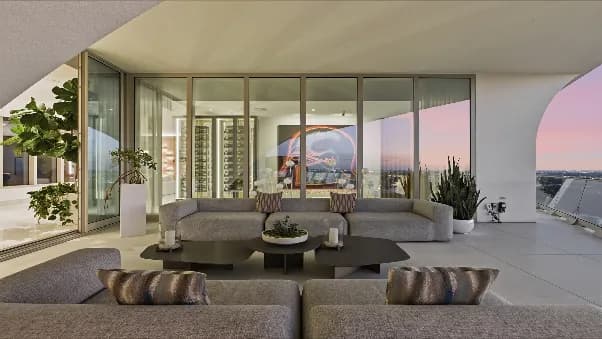
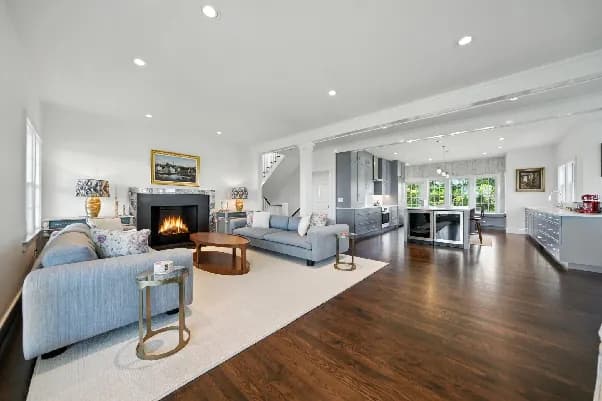
Older HDR techniques often produced glowing highlights or overly smooth surfaces. AutoHDR’s approach focuses on realism. The interior feels bright but believable. Exterior views stay visible without halos or haze. Lines are crisp, and color temperature remains consistent from photo to photo.
This kind of balanced, natural output is what modern AI real estate photo editing should strive for. It focuses on accuracy, not exaggeration.
Faster Editing, Better Workflow
Speed matters, but consistency is what gives that speed real value. AutoHDR’s hybrid system delivers the same tone, color balance, and alignment across entire shoots, even when lighting conditions vary.
With batch processing built into our online AI real estate photo editor, photographers can process hundreds of images at once without having to recheck every file. That efficiency allows agencies and teams using our platform to scale effortlessly.
Consistency also means fewer client revisions. When every photo has uniform lighting and clarity, you deliver with confidence, and your clients notice the difference.
Why Photographers Are Moving to Hybrid Systems
Real estate professionals are moving away from outsourced manual editing because automation now delivers equal or better results with far more control. Hybrid editing represents the new standard for modern workflows.
Photographers using an AI real estate photo editor like AutoHDR report:
-
70% faster delivery times compared to manual workflows.
-
Fewer client revisions due to natural, consistent lighting.
-
Easier MLS compliance with minimal touch-ups required.
These gains do more than simplify editing. They make entire photography operations more profitable, scalable, and sustainable.
What’s Next for Exposure Blending
The move from HDR to Hybrid is only the beginning. As automation continues to advance, exposure blending will evolve into fully adaptive editing, where lighting, tone, and contrast are optimized intelligently in every frame.
At AutoHDR, we are already ahead of that curve. Our real estate photo editor platform processes exposure and tone with the precision of a seasoned professional, allowing photographers to focus on creativity and client relationships instead of technical tasks.
This is how we see the next stage of real estate photo editing. It is not about automation replacing skill but about technology amplifying it.
Conclusion
HDR changed real estate photography once. Hybrid editing is changing it again. The difference lies in its subtlety: natural colors, balanced light, and faster workflows that keep professionals ahead of the curve.
At AutoHDR, our AI real estate photo editor leads this transformation by combining intelligent exposure correction with the natural look clients expect. There are no heavy filters, no exaggerated lighting, just clean, consistent, and realistic photos ready to help your listings stand out.
The future of real estate photography is not about doing more manual work. It is about letting smarter systems handle the technical side so your images always look as real as the spaces you capture.
FAQs
What is hybrid exposure blending in real estate photography?
Hybrid exposure blending combines traditional HDR techniques with advanced image analysis to create more natural-looking results. Instead of simply merging multiple exposures, the process intelligently balances light, colour, contrast, and detail to better match how a property appears in person.
How is hybrid editing different from traditional HDR editing?
Traditional HDR focuses primarily on combining bracketed exposures to recover shadow and highlight detail. Hybrid editing goes further by incorporating colour correction, tone mapping, window balancing, and perspective adjustments to produce more realistic and consistent images with fewer HDR-related artifacts.
Why do some photographers prefer hybrid editing over standard HDR?
Many photographers find that hybrid editing creates a more natural appearance. It helps avoid common HDR issues such as oversaturated colours, flattened contrast, halo effects around windows, and an overly processed look while still preserving detail throughout the image.
Does hybrid exposure blending improve workflow efficiency?
Yes. Modern hybrid editing systems automate multiple steps that would otherwise require manual adjustments, including exposure balancing, white balance correction, tone optimization, and perspective correction.
How does hybrid editing help create more realistic listing photos?
Hybrid workflows prioritize accurate colour reproduction, balanced lighting, and natural contrast. By preserving realistic tones and preventing over-processing, the final images better reflect the actual property, helping build buyer trust and reducing the risk of unrealistic expectations.
Can an AI real estate photo editor handle hybrid editing automatically?
Yes. Advanced AI-powered platforms can automatically analyze bracketed exposures, merge them intelligently, correct colour and perspective issues, and apply consistent adjustments across an entire photo set.