Why “The Golden Hour” Isn't Just for Weddings Anymore: The Rise of Twilight as the Default Hero Shot
Wedding photographers claimed golden hour first. That warm, low light just before sunset, the kind that makes everything look like it belongs on a magazine cover. For years, real estate photography largely ignored it. Exteriors got shot mid-morning, maybe midday. Clean light, no drama, straight to the MLS.
That approach built a generation of listings that looked exactly like each other.
Something shifted. Agents started noticing that the listings getting saved, shared, and clicked on social feeds weren't the bright midday shots, they were the ones with deep blue skies, warm glowing windows, and that unmistakable dusk atmosphere. Twilight real estate photo editing went from a luxury upsell to the image agents were putting first in every gallery.
We've watched it happen across thousands of listings processed through AutoHDR. The twilight exterior isn't a nice-to-have anymore. For a growing number of agents, it's the non-negotiable cover shot.
Why Twilight Works When Everything Else Blends Together
Walk through any listing feed on a slow Tuesday afternoon. The photos start to blur together, blue skies, green lawns, white trim, repeat. Every home looks competent. None of them look interesting.
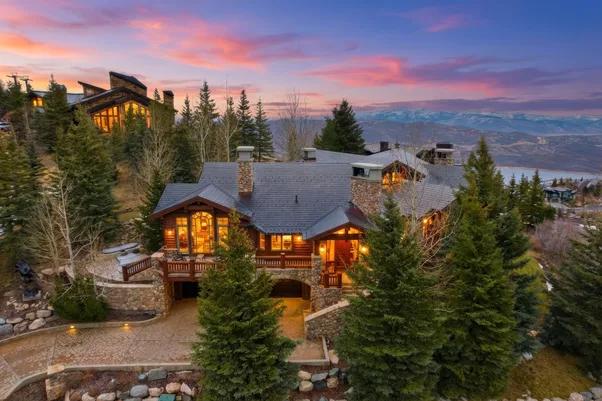
Then a twilight shot appears. The sky is deep blue fading into orange at the horizon. The windows are lit from inside. The landscaping is shadowed just enough to feel intentional. The house looks like somewhere worth living.
That contrast is the entire reason twilight real estate photo editing has become the default hero shot in competitive markets. It doesn't make a home look bigger or cleaner, it makes it look alive. There's a warmth in the lit windows that no midday exterior can replicate. The eye goes to it before the brain decides to look.
For listings competing on social feeds rather than just MLS grids, that first-impression advantage is everything.
The Technical Problem That Kept Twilight as a Premium
For a long time, the reason twilight exteriors were priced as a premium add-on wasn't the skill involved, it was the time. Shooting an actual twilight required the photographer to stay on-site until dusk, which added an hour or more to every job. Editing a real twilight shot required careful sky replacement, interior light balancing, and exterior shadow work that took a skilled editor significant time to execute cleanly.
Most photographers couldn't offer it as a standard service because the cost structure didn't work. An extra hour on-site plus a premium editing fee meant twilight was reserved for listings that justified the budget, luxury properties, builder spec homes, high-commission listings.
Day to dusk conversion changed that calculation entirely. Shoot the exterior at any point during the day, upload the raw file, and the twilight version comes back edited, sky replaced, windows lit, exterior atmosphere balanced. No staying on-site until 7pm. No separate scheduling. No premium editing fee eating into margins.
Twilight real estate photo editing is now accessible at every price point. And once it became accessible, agents started requesting it across the board, not just on the $2M listings.
What Good Twilight Editing Requires
Not all twilight edits are equal. The ones that look obviously fake share a few common problems: skies that are too dramatic, window glow that's blown out and unrealistic, exterior lighting that doesn't match the ambient atmosphere of the sky behind it.
The photographers and editors producing twilight shots that actually hold up are paying attention to three things.
Sky Selection Matters More Than Most People Think
A deep purple-to-orange gradient looks stunning in isolation and completely wrong on a ranch-style home in Phoenix. The sky has to fit the property, the architecture, and the geography. A good twilight real estate photo editing process matches the sky to the context of the shoot, not just to what looks striking by itself.
Window Lighting Has to Be Consistent
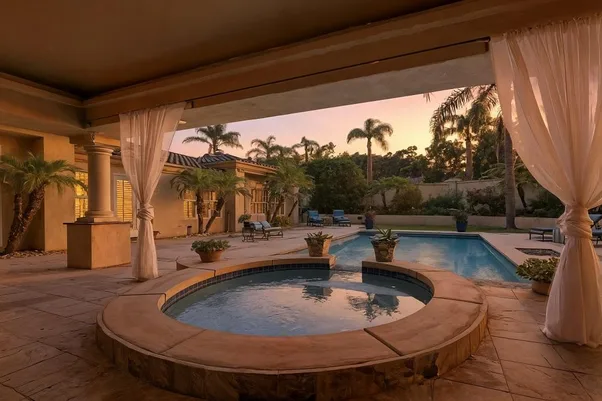
Interior warmth showing through windows is what sells the "someone lives here" feeling that makes twilight shots emotionally effective. If the window glow is uneven (some rooms bright, others dark), the illusion breaks. The edit needs to treat every visible window as part of a single coherent light source.
The Ground Plane Matters
Mid-range exteriors with visible driveways, walkways, or lawns need the foreground handled carefully. Twilight doesn't mean everything below the horizon goes dark. There's still ambient light on the ground, and the edit has to reflect that or the result looks like a cutout pasted onto a sky.
These are the details we've refined across the twilight edits processed through AutoHDR, not just replacing a sky, but building a consistent ambient environment that makes the final image feel like it was actually shot at dusk.
The Listing Strategy Behind the Twilight Cover Shot
Agents who've made twilight real estate photo editing a standard part of their listing strategy aren't doing it because it looks pretty. They're doing it because it performs.
A twilight exterior as the cover photo on a listing generates more saves, more shares, and more inquiries than a midday exterior in the same position. This isn't anecdotal anymore, it's a pattern consistent enough that high-volume agents in most U.S. markets have made it part of their standard listing checklist.
The logic is straightforward. On a social feed, the cover photo determines whether the rest of the gallery gets seen. On a listing portal, it determines whether the address gets saved to a favorites list. A twilight shot earns that click at a higher rate than anything else in the photographer's toolkit.
For photographers, that performance data is a selling point. When you can tell an agent that the twilight exterior consistently outperforms the midday shot as a cover image, twilight real estate photo editing stops being an upsell conversation and starts being a workflow conversation. The question shifts from "do you want this?" to "what time are you posting?"
Golden Hour Always Belonged Here
Wedding photographers didn't invent the golden hour. They just recognized what the light was doing and built a workflow around capturing it. Real estate photographers are doing the same thing now, just a decade later, and with better tools to make it happen at scale.
Twilight real estate photo editing has made the golden hour accessible on every shoot, at every price point, without adding a minute to time on-site. The listings that look different from everything else on the feed are the ones using it.
We'd rather your cover shot be the one that stops the scroll.
FAQs
What is twilight real estate photo editing? Twilight real estate photo editing is the process of transforming a daytime exterior property photo into a realistic dusk or twilight image. It typically involves sky replacement, window lighting enhancement, color balancing, and ambient light adjustments to create the warm, inviting look associated with sunset photography.
Why are twilight photos popular in real estate listings? Twilight photos stand out because they create contrast, atmosphere, and emotional appeal. The combination of glowing windows and deep evening skies helps listings attract attention on MLS platforms, social media feeds, and property portals, making them a popular choice for cover images.
Do photographers need to shoot properties at sunset for twilight images? No. Modern twilight real estate photo editing allows photographers to capture exterior images during daylight hours and convert them into realistic twilight scenes later. This eliminates the need to wait on-site until sunset while still achieving the desired visual effect.
What makes a twilight real estate photo look realistic? A realistic twilight edit requires a properly matched sky, natural-looking window illumination, balanced exterior lighting, and consistent shadows. The best twilight real estate photo editing enhances the atmosphere without making the image appear overly dramatic or artificial.
Is twilight real estate photo editing only for luxury properties? Not anymore. While twilight photography was once reserved for high-end listings due to the additional shooting and editing costs, day-to-dusk conversion technology has made twilight real estate photo editing accessible for properties across a wide range of price points and markets.