From Drone to Doorstep: How AutoHDR Streamlines Aerial and Ground Shoots into One Editing Flow
Great real estate marketing starts with great visuals, and those visuals no longer come from a single angle. Agents expect aerial drone shots for property exteriors and crisp interior photos for every room. For photographers, that has traditionally meant managing two completely different editing workflows, or at least it used to.
At AutoHDR, we have combined both worlds into one seamless process. Our AI real estate photo editing system handles drone and ground photos in a single continuous workflow, allowing photographers to deliver cohesive, professional results faster than ever. No separate tools, no mismatched tones, just one unified editing flow from sky to living room.
The Challenge: Two Worlds, Two Workflows
Drone and ground photography have always required different treatment. Aerial shots need exposure balance between sunlight and shadows, while interior photos depend on white balance, window detail, and straight lines.
Traditionally, photographers had to process these two sets separately, often using different programs or editors. The result was slower turnaround times, inconsistent tones, and hours of extra work just to make the images look like they belonged to the same listing.
This is exactly the problem our AI real estate photo editing platform was built to solve. Instead of treating aerial and ground photos as separate projects, we process them through one system that automatically detects lighting conditions, exposure ranges, and tonal balance, ensuring every image feels consistent.
One Upload, One Workflow
With AutoHDR, it doesn’t matter if your photos are taken from ten feet or a hundred feet in the air. You upload everything together, and the system automatically sorts and processes each image based on its unique characteristics.
Here is how it works:
-
Sorting and Sequencing: Our engine identifies bracketed exposures, groups aerial and interior shots, and prepares them for processing.
-
Automatic HDR Editing: Each photo is balanced for highlights and shadows, ensuring both drone skies and living room corners retain natural detail.
-
Color Calibration: White balance and contrast are matched across all photos to create a consistent tone between exterior and interior scenes.
-
Perspective and Line Correction: The system straightens verticals and horizons, whether it is a drone shot of a roofline or a kitchen counter.
The result is a complete photo set that looks unified across every platform - MLS, social media, and print.
Why Consistency Matters Between Aerial and Interior Shots
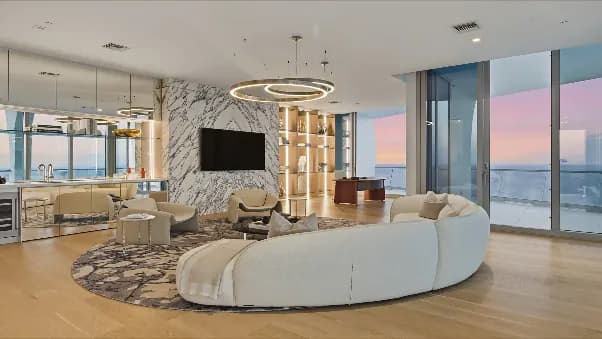
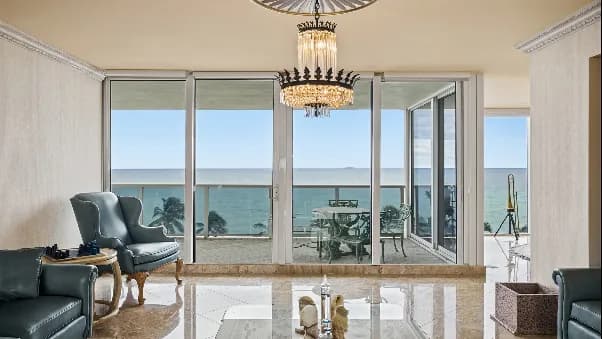
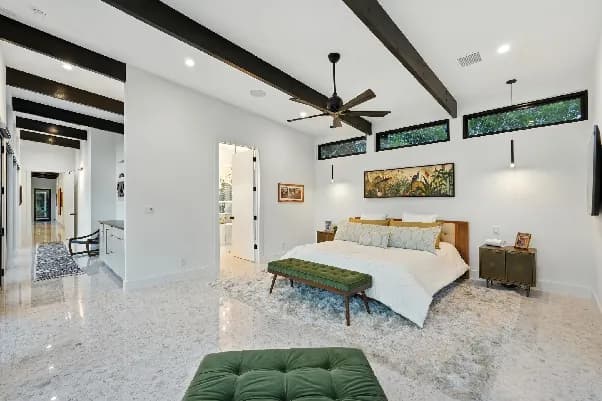
Buyers scrolling through a listing expect a connected visual story. If exterior photos look cool and blue but interiors feel warm and orange, the listing feels disconnected. Consistent editing ties everything together, from the first drone overview to the final detail shot of the entryway.
That is the advantage of AI real estate photo editing workflows, precision and balance across every frame, no matter the lighting or shooting conditions.
When visuals are consistent, buyers stay engaged longer. Agents notice too. They are far more likely to rehire photographers who deliver cohesive, professional results every time.
How AutoHDR Handles Drone Photography Differently
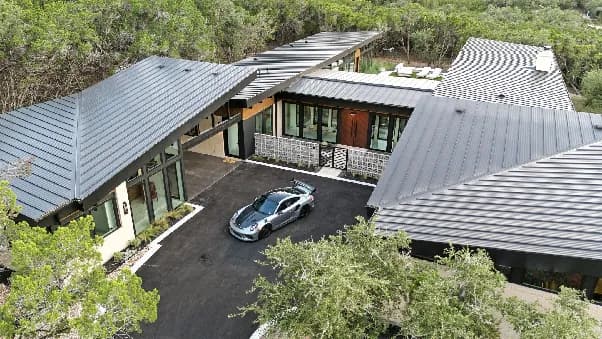
Drone photos come with unique challenges, including wide dynamic ranges, harsh sunlight, and distortion from wide-angle lenses. Our AI real estate photo editor automatically corrects these issues during processing.
The system identifies sky exposure separately, enhancing clarity and contrast without creating oversaturation or unrealistic tones. It also compensates for aerial tilt and lens distortion so that rooflines and property edges appear straight.
At the same time, it maintains a natural tone curve that matches ground shots, ensuring the property feels visually connected from top to bottom.
This type of intelligent AI real estate photo editing means photographers no longer have to manually adjust each drone image to match their interiors. AutoHDR handles that automatically.
Saving Time Without Sacrificing Quality
Photographers once spent hours switching between software programs, exporting and re-uploading files, and checking color consistency manually. With AutoHDR, that process is now fully automated. Upload once, let the system handle the work, and receive finished photos within minutes.
That is the power of our online AI real estate photo editor. It merges speed and quality in a way that manual editing simply cannot match. The technology does more than enhance photos; it optimizes the entire business workflow.
For teams managing both aerial and interior shoots, this means faster turnaround times, more listings per week, and a consistent look that strengthens brand identity.
The Business Case for Unified Editing
Standardizing image quality across all types of shoots gives photographers and agencies a measurable competitive edge. Consistent imagery improves marketing materials, reduces revision requests, and helps listings stand out in crowded markets.
Using an integrated photo editor real estate solution like AutoHDR provides clear business advantages:
-
Faster Turnaround: Deliver same-day photo sets, even for large properties.
-
Lower Costs: Eliminate the need for multiple editors or software platforms.
-
Reliable Quality: Ensure every image meets the same professional standard for exposure, color, and composition.
That combination of speed, cost efficiency, and visual consistency helps teams scale operations without sacrificing creative quality or client satisfaction.
Future-Proofing Real Estate Photography
The real estate industry is moving rapidly toward full automation. As listings become increasingly visual, buyers expect accurate, consistent imagery across every perspective aerial, exterior, and interior.
At AutoHDR, we have built our AI real estate photo editing system around that expectation. Our goal is simple: to make editing invisible. When every image flows seamlessly into the next, it stops feeling like a collection of photos and starts feeling like one complete story of the property.
That is what sets AutoHDR apart. It doesn’t just edit photos; it connects them.
Conclusion
The best real estate photography does more than showcase homes, it connects them. From drone footage that captures the property’s scope to interior shots that highlight its warmth, every image should contribute to one cohesive story.
AutoHDR makes that possible with a unified editing workflow. Our AI real estate photo editing platform manages sorting, balancing, and delivery for both aerial and ground photos, so photographers can focus on capturing rather than correcting.
When visuals feel connected, buyers stay longer, agents close faster, and your brand stands out for consistency and trust. That is what we mean by editing smarter, from drone to doorstep.
FAQs
Why do drone and ground photos traditionally require separate editing workflows?
Drone images and interior photos present different editing challenges. Drone photography often requires sky balancing, shadow recovery, and lens distortion correction, while interior images need HDR blending, white balance correction, and perspective adjustments.
How does AI real estate photo editing streamline aerial and interior photo processing?
AI-powered editing platforms can automatically identify image types, apply the appropriate corrections, and process drone and ground photos within the same workflow.
Why is consistency between aerial and interior photos important?
Consistent colour tones, contrast, and brightness help create a cohesive visual experience for buyers. When all images in a listing share a similar look and feel, the property appears more professional and the marketing presentation becomes more effective.
What editing adjustments are commonly applied to drone real estate photos?
Drone images often benefit from exposure balancing, sky enhancement, colour correction, horizon leveling, perspective correction, and lens distortion removal. These adjustments help create clear, professional-looking aerial views while maintaining a natural appearance.
Can a unified editing workflow improve turnaround times?
Yes. Processing aerial and interior photos through a single automated workflow eliminates the need to switch between multiple editing tools or vendors. This reduces manual work and allows photographers to deliver complete property galleries much faster.
How does a single editing workflow help photographers and agencies scale?
A unified workflow standardizes image quality, reduces administrative tasks, and improves efficiency across all property shoots. This allows photographers and agencies to handle more listings, maintain consistent results, and grow their business without significantly increasing editing resources.