Beyond the Window: Using AI to Balance Interior Warmth and Exterior Clarity
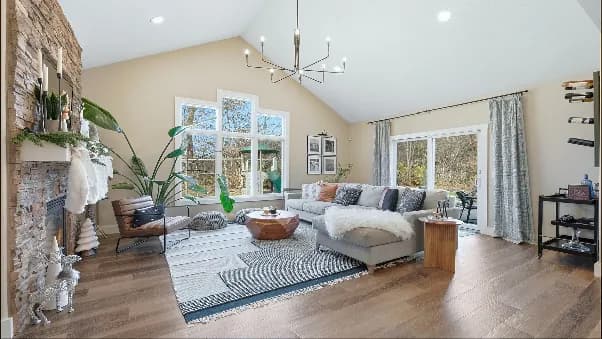
Windows are one of the hardest parts of a real estate photo. They connect two very different lighting worlds, the bright outdoors and the softer interior. When this balance is off, the entire image feels wrong. Either the outside turns into a white glow, or the room becomes dark and dull.
Many people think fixing windows is just about making them darker. It isn’t. Good window work is about keeping the inside warm and inviting while making the outside clear and believable.
That balance is where modern AI real estate photo editing makes a real difference. In this article, we’ll explain why window masking is more complex than it looks, why bad window pulls are easy to spot, and how we handle this process at AutoHDR without making images look cut out or fake.
Why Windows Are So Difficult To Edit
Cameras don’t see light the way our eyes do. When you stand in a room, you can usually see both the interior and what’s outside the window at the same time. A camera has to choose.
If the exposure favors the room, the outside blows out.
If it favors the outside, the room goes dark.
This is why photographers shoot brackets. But even with brackets, blending the window correctly is where many edits fail.
This is also why AI real estate photo editing needs more than simple brightness controls.
The Problem With “Darkening The Window”
A common mistake in window editing is treating the window as a flat shape.
The editor selects the window and lowers exposure. The outside becomes visible, but something feels off. The edges look sharp. The transition feels harsh. The window looks pasted in.
Buyers may not know why it looks strange, but they notice it.
Good window pulls don’t look edited. They look natural.
What Makes A Window Look Real
A real window has soft edges. Light spills slightly around frames. Curtains, blinds, and reflections blur the boundary between inside and outside.
When window masking ignores this, the result looks like a sticker placed on the image.
This is why AI real estate photo editing focuses on edge behavior, not just brightness.
How Feathered Masking Changes The Result
Instead of drawing a hard line around the window, modern window masking uses feathered edges. This means the transition from interior to exterior is gradual, not abrupt.
A feathered edge allows:
- Interior light to blend naturally
- Reflections to remain visible
- Frames to look dimensional
The window feels like part of the room, not a separate layer.
This is one of the most important differences between basic edits and professional AI real estate photo editing.
Using Real Bracket Data, Not Artificial Darkening
Another key point is where the window detail comes from.
In poor edits, the window is simply darkened. In better workflows, real data from darker exposures is used.
This matters because:
- Outdoor colors stay accurate
- Sky detail looks natural
- Trees and buildings keep texture
By pulling real information from the bracketed images, AI real estate photo editing avoids the flat, muddy look that comes from artificial adjustments.
Keeping The Interior Warm While Fixing The Window
One of the biggest risks with window pulls is cooling the room too much. When outside light is balanced incorrectly, interiors can lose warmth and feel sterile.
A good window workflow separates the two environments:
- The interior keeps its natural tone
- The exterior is corrected independently
This separation allows the room to stay inviting while still showing what’s outside. It’s a small detail, but it changes how the space feels.
That balance is a major reason window pulls are one of the most requested features in AI real estate photo editing.
Why Bad Window Pulls Hurt Trust
Overdone window edits can damage credibility. When windows look unnatural, buyers start questioning what else might be exaggerated.
Subtlety matters. A window should reveal the view, not draw attention to itself.
This is especially important for higher-end listings, where buyers expect polish without obvious manipulation.
How This Fits Into Core Image Editing
Window masking isn’t an add-on trick. It’s part of core image editing.
Once images are sorted, the system:
- Identifies window regions
- Selects the best exposure data
- Applies feathered masking
- Balances interior and exterior tones
Because this happens automatically, the result is consistent across every image in a set.
That consistency is what professionals expect from AI real estate photo editing.
Less Time Fixing, Fewer Revisions
When windows are handled properly the first time, revision requests drop. Agents don’t ask for darker windows or warmer rooms because the balance already feels right.
This saves time for everyone involved and keeps delivery on schedule.
Where Human Judgment Still Matters
Automation handles the technical side, but humans still decide what looks right overall. Final review ensures the image matches the property and the listing goals.
The difference is that humans aren’t fixing broken windows. They’re approving clean, natural results.
Final Thoughts
Great window edits don’t call attention to themselves. They simply make the photo feel complete.
By using real exposure data, feathered edges, and separate interior and exterior balance, AI real estate photo editing goes beyond basic window darkening. It creates images that feel honest, warm, and clear at the same time.
When windows are handled right, buyers stop noticing the edit, and start noticing the home.
FAQs
Why are windows so difficult to edit in real estate photography?
Windows contain much brighter light than the interior of a room. Cameras struggle to capture both areas correctly in a single exposure, which can result in blown-out windows or dark interiors. AI real estate photo editing helps balance these lighting differences while preserving detail in both areas.
What is a window pull in real estate photo editing?
A window pull is the process of revealing the view outside a window while maintaining proper exposure inside the room. Professional editing uses bracketed exposures and masking techniques to blend interior and exterior details naturally without making the window look artificial.
Can AI real estate photo editing make windows look more natural?
Yes. Modern AI real estate photo editing systems use information from multiple exposures to recover outdoor details while maintaining realistic transitions around frames, curtains, and reflections. This creates a more natural appearance than simply darkening the window area.
Does window masking affect the color temperature of a room?
It can if handled incorrectly. Poor window edits often introduce cool tones that make interiors feel sterile or unrealistic. Advanced editing workflows balance interior and exterior areas independently so the room retains its natural warmth while the outdoor view remains clear.
Why do some edited windows look fake?
Windows often look fake when hard-edged masks, excessive darkening, or unrealistic sky replacements are used. Professional AI real estate photo editing relies on feathered transitions and real bracketed image data to ensure the window blends naturally with the rest of the scene.